Understanding why babies kick during play
Developmental benefits of kicking during play
In the first year, a baby may perform roughly 1,500 kicks in a week of play, a tiny pulse of motion that hints at bigger leaps ahead. That rhythm isn’t random—it’s a language, a prelude to movement that parents can observe and celebrate.
Understanding why babies kick during play reveals that kicks are a stepping stone to walking. They strengthen tiny thighs, refine balance, and map space as hands reach for a swinging toy.
Developmental benefits of kicking during play include:
- Muscle development and motor planning
- Proprioceptive feedback and spatial awareness
- Neural pathway formation through varied movement
Choosing the right playthings, especially toys baby can kick, invites exploration and joyful co-creation on sunlit South African afternoons.
How kick-focused toys stimulate leg movement and coordination
I’ve learned that a baby’s kick is not aimless flutter but a deliberate rehearsal for movement. In the first year, a baby may perform roughly 1,500 kicks in a week, a rhythmic dialogue about space, gravity, and balance. Those tiny pulses map a future gait, guiding hands to reach for a swinging toy and feet to press toward a growing horizon!
Understanding this, kick-focused toys come alive as teaching partners. When a toy can be kicked, it rewards burgeoning leg movement with immediate feedback, supporting coordination and timing. The best options invite gentle resistance, varied heights, and safeties that let exploration unfold without fear. toys baby can kick
- Accessible reach and soft edges for tiny toes; toys baby can kick safely.
- Swinging and rotating elements that reward cadence and balance.
- Textured surfaces to stimulate sensory feedback as kicks land with intent.
How to choose age-appropriate toys to encourage kicking
Babies kick with surprising intent—their year-one rhythm can top 1,500 kicks a week, a tiny rehearsal for balance and direction. A well-timed kick is a navigation cue, not random flutter. When a safe toy is designed to be kicked, learning quietly happens—the phrase toys baby can kick appears in play as a practical wink from the universe of toddler motion.
Understanding age-appropriate design means weighing reach, resistance, and safety. South African homes vary from compact flats to sunlit lounges, so toys should invite action without chaos. Here are design cues that avoid shouting and still nurture rhythm:
- Soft-edged reach and size that suit little toes
- Gentle resistance and rotating motion that reward cadence
- Varied textures and patterns that translate contact into feedback
Balance beats bravado; the right mix lets exploration turn into confident early choreography, letting curiosity lead instead of chaos.
Safe tummy-time tips to maximize kicking benefits
There’s a quiet arithmetic to a baby’s play: by year one, a little one can log around 1,500 kicks a week. Understanding why babies kick during play helps us design spaces that welcome that instinct. With toys baby can kick, the rhythm has a friendly target, and learning appears in the margins—calm, deliberate, and full of texture.
In South Africa, homes vary—from compact flats to sunlit lounges—so tummy-time becomes a canvas for rhythm, not a test of space. Safe sensory feedback—soft edges, varied textures, and gentle resistance—helps little feet learn cadence without chaos, and I’ve seen parents lean in, watching tiny explorers choreograph their first moves with awe.
Types of toys that encourage kicking in infants
Floor mats, activity gyms, and wall-mounted toys
These are toys baby can kick—simple, sturdy objects that invite movement. Infants pepper the day with leggy bursts, and the right setup makes those kicks purposeful. Floor mats create a plush stage for kicks, while an activity gym lures tiny feet with overhead toys.
Here are three popular types that shine in homes across South Africa.
- Floor mats offer a cushioned, safe surface for kicks and stretches, with bright patterns that capture small eyes.
- Activity gyms lure babies with overhead toys that invite kicking, grabbing, and coordinated movement.
- Wall-mounted toys place sights at midline, encouraging leg swings and visual tracking without taking over the floor.
Each option has a place in a playroom, weaving movement with calm, contained scenery. In South Africa, homes vary, but the idea holds: well-chosen floor mats, arches, and wall toys can sit comfortably in living rooms and nurseries alike, inviting gentle kicks into meaningful play.
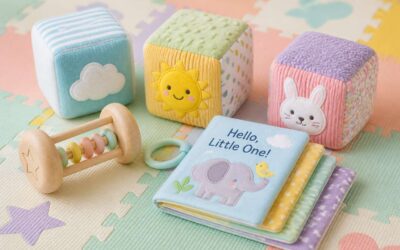
Soft toys and rattles designed to invite kicking
In the soft clamor of a nursery, hundreds of kicks become a quiet anthem of growth. Soft toys, and rattles, thoughtfully placed, whisper an invitation to movement—the little drumbeat of exploration. These items answer the simple banner: toys baby can kick, inviting tiny feet to strike, sway, and learn balance amid calm, safe surroundings. I watch and marvel as tiny limbs map their world.
- Soft plush toys with gentle textures that invite foot contact
- Rattles and squeaky shapes suspended at midline to encourage reach
- Crinkly fabric toys that reward kicking with a faint, joyful rustle
For South African homes, these quiet play partners weave movement with security, turning every moment into a poised dialogue between curiosity and control. These are the toys baby can kick toward a confident crawl.
Textured and multisensory toys to engage kicking reflexes
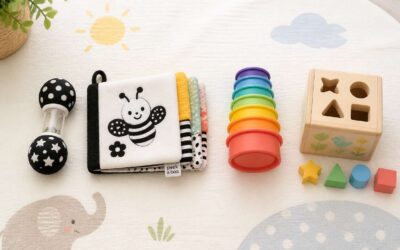
In South African nurseries, the soft drumbeat of tiny kicks writes a daily poem. They are none other than toys baby can kick—an intimate chorus where curious toes meet gentle textures, light rattles, and crinkly surfaces that coax movement into a calm, confident rhythm.
Types of engagement bloom in textured and multisensory options that invite little feet to participate.
- Textured plush toys with varied nap textures and cozy piles
- Crinkly fabric panels that reward contact with a faint rustle
- Rattles or squeakers suspended at midline to prompt reach and strike
- High-contrast shapes and soft mirrors to deepen perception and curiosity
These hints of sensory play travel across South Africa, turning gentle kicking into a poised dialogue between wonder and control, where every kick writes a line in their unfolding story.
Portable and travel-friendly kicking toys for on-the-go play
Across early infancy, babies kick hundreds of times daily, forging leg strength and rhythm from the first flutter!
On the move, the best options are compact, clip-on, and travel-ready. For on-the-go play, toys baby can kick are cleverly designed to clip to strollers, car seats, or bags.
- Ultra-light, pocket-sized shells that fit a busy diaper bag
- Clip closures for strollers, car seats, or travel cribs
- Soft textures and gentle rattles that reward each contact with a calm response
In South Africa, these portable allies turn car journeys and waiting moments into a breathing space of movement and wonder. I’ve watched how a small, clipped toy can invite a calm rhythm to a fickle traveler.
Safety and care for kicking-friendly toys
Non-toxic materials and choking hazard considerations
In the waking dawn of play, a tiny foot becomes a compass, guiding a voyage through motion. Research shows babies who kick during early play build neural pathways and leg strength faster than their sleepy peers. Enter the realm of toys baby can kick—where gravity becomes a friendly ally.
Safety and care are the guardian spirits of this realm. Seek non-toxic materials and mark up-free finishes, and beware choking hazards—avoid tiny, detachable parts and rough seams that could snag curious toes across SA homes.
- Non-toxic, BPA-free plastics or natural textures
- Secure, tightly sewn fabrics with no loose parts
- Clear age labels and choke-point awareness
By choosing well-made options, you extend magic without risk. The world of kicking toys glows with safe design, care, and wonder. For toys baby can kick.
Cleaning, sanitizing, and maintenance routines
A tidy nursery is a kinder stage for curiosity. After a kick-filled session, sanitize with mild soap and water to keep play surfaces safe and sparkling. This quiet ritual ensures toys baby can kick remain inviting, turning exploration into a confident stroll rather than a stumble.
Stick to non-toxic cleaners, avoid harsh solvents, and never soak plush parts. For fabric or vinyl, a quick wipe and air-dry preserves texture and durability. In SA homes, keep a dedicated towel for drying to prevent mildew and sticky residue that clings to tiny toes.
Regularly inspect seams, buttons, and stitching for looseness. Remove damaged items from rotation until repaired or replaced. Store toys in a dry, shaded area to safeguard colors and materials from fading and cracking.
Durability, safety standards, and product labels
In the nursery orchestra, durability conducts safety. The best toys baby can kick are built to endure busy little kicks and curious grasps. “Durability is safety in disguise,” a parent once told me, and the sentiment echoes across SA playrooms.
Choose toys crafted from robust, non-toxic materials, with reinforced seams and colorfast finishes that resist fading after sunlit sessions on mats and gyms. Look for clear product labels that reveal age suitability, materials, and certification marks. For kicking-focused play, sturdy stitching and closures matter as much as the toy’s surface.
To help you shop with confidence, consider these label essentials:
- Age range and intended use clearly printed
- Materials and non-toxicity assurances
- Safety certifications and local compliance marks
Storage tips to prevent damage and keep toys accessible
Safety and care for kicking-friendly toys hinges on thoughtful storage and gentle handling. In South Africa, nurseries and living rooms alike see fewer damaged pieces when sturdy fabrics and reinforced seams meet busy little kicks. For toys baby can kick, surface finishes should resist fading and cleaning routines should be mild but effective. After play, return toys to a dry, well-ventilated spot; this keeps colours vivid and surfaces smooth for the next spirited session!
Maintaining accessible, orderly play zones also supports safe kicking practice. Choose storage that keeps toys within reach of tiny feet yet out of direct sunlight and damp corners. A consistent routine reduces wear and makes toys baby can kick inviting rather than a rummaged jumble.
Practical buying guide and play setup for kick-focused toys
Budget-friendly options and where to find them
Across South Africa, parents discover that toys baby can kick transform a living room into a sunlit launchpad for movement. A single playful session can unlock a surprising surge of leg movement and coordination, guiding tiny feet toward confident kicks and curious exploration.
Practical buying guide and play setup: look for gentle resistance, varied textures, and simple assembly that keeps space tidy. A cozy corner with a soft surface invites spontaneous kicks. Consider a rotating mix to keep tiny minds engaged.
- Lightweight, easy to move between rooms
- Multisensory elements: sound, texture, and color
- Easy to wipe clean and quick to dry
- Compact storage when not in use
Budget-friendly options and where to find them: great value can be found online and in SA stores, especially during sales. Look to Takealot, Loot, Makro online, and local toy shops, and community marketplaces for gently used items.
Setting up play spaces that encourage kicking: layout and placement
Play spaces in South Africa don’t require a fortune to spark motion. I’ve seen a sunny corner become a launchpad for tiny legs, where curiosity meets momentum. The trick is a thoughtful layout that invites action, not hesitation. When a room whispers kick, toys baby can kick become partners in discovery.
Layout ideas that sustain momentum:
- Defining a safe, open zone with a soft mat supports early movement.
- Position lightweight, easy-to-move toys within reach to invite spontaneous exploration.
- Create a rotation area to surface new textures and sounds over time.
- Opt for wipe-clean surfaces and simple storage to maintain a tidy space between sessions.
When buying, opt for modular, compact designs that are easy to assemble and quick to dry after spills. These choices fit tight SA homes and keep kick-focused play flowing without clutter.
Routines and playtime scheduling for max kicking practice
Within South African homes, a thoughtful buying guide unlocks momentum for toys baby can kick. Practical choices balance compact design with quick-dry materials, keeping sessions smooth after spills. When space is tight, modular, wipe-clean options preserve a fresh play space and turn a sunny corner into a launchpad for tiny legs.
Consider these features when curating a set for toys baby can kick:
- Lightweight, easily repositioned units that invite spontaneous exploration
- Textures and sounds that surface curiosity without overwhelming tiny feet
- Durable, wipe-clean finishes with simple care routines
In terms of routines and playtime scheduling for max kicking practice, rhythm beats volume. Short, frequent sessions tend to sustain momentum, while rotating textures and layouts keep interest high. The aim is to keep toys baby can kick within reach, inviting natural movement as curiosity grows.
How to observe development milestones and adjust toys
In South African homes, a practical buying guide for toys baby can kick helps momentum stay high between spills and naps. Think modular, wipe-clean setups that slot into a sunny corner or a compact lounge, with quick-dry materials that shrug off moisture.
Lightweight, repositionable units invite spontaneous exploration, while textures and sounds surface curiosity without overwhelming tiny feet. Durable, wipe-clean finishes with simple care routines keep the space welcoming after a splash or snack-time mishap.
- Lightweight, repositionable units
- Textures and sounds that surface curiosity
- Durable, wipe-clean finishes with simple care
Caregivers observe milestones such as growing kicking range and improved leg coordination; these cues help shape how the play space evolves. Rotation of textures and layouts can keep the environment engaging and ensure toys baby can kick remain within reach as curiosity grows.

0 Comments