Safe cleaners for baby toys
Water and mild soap basics
South Africa’s sunlit nurseries hum with giggles and tiny discoveries, where every toy becomes a passport to adventure. The question of what to wash baby toys with matters: a surprising share of germs cling to those playthings, nudging caregivers toward safer choices.
Safe cleaners for baby toys lean on water and mild soap basics. Use plain water with a gentle, fragrance-free soap; a soft cloth often does the trick. Avoid harsh detergents and scented products.
- Water and a mild, fragrance-free soap
- Gentle, child-friendly cleansers designed for toys
- Avoid harsh chemicals and chlorine on painted or soft surfaces
Practical care means keeping playthings calm and clean, supporting little explorers as they learn through texture and touch. This approach clarifies what to wash baby toys with, emphasizing safe, simple choices. Cleanliness becomes part of the story, not a rushed routine.
Vinegar and water mixtures: pros and cons
Sunlight spills across the kitchen in a South African home as tiny toys tumble from a basket and a baby giggle warms the room. When I plan what to wash baby toys with, I trust vinegar and water—the simplest, gentlest option for clean, safe play. “Care for the tiniest hands,” my grandmother used to say, and that care starts here.
Vinegar and water mixtures offer advantages and a few cautions to keep in mind.
- Pros: inexpensive, non-toxic, and effective on mild residues; quick drying.
- Cons: strong aroma; not a universal disinfectant and may affect some paints.
Always test on a small area and rinse thoroughly with plain water afterward. If a toy is porous or painted, mild, fragrance-free soap remains the safer baseline, while vinegar offers a gentle bridge to what to wash baby toys with.
Bleach safety guidelines for toys
Sunlight spills across a South African kitchen as a basket of toys tumbles out and a baby giggle warms the room. In the quest for what to wash baby toys with, safe cleaners matter—gentle on little hands, tough on grime. Safe cleaners for baby toys balance non-toxic formulas with practical performance, especially on porous or painted surfaces.
- Choose fragrance-free, child-safe cleaners whenever possible
- Respect toy materials—finishes vary in tolerance
- Avoid mixing cleaners with ammonia or other household chemicals
Bleach safety guidelines for toys remind us to tread lightly: only where the manufacturer permits, with good ventilation and an eye for finishes. When in doubt, milder options are a safer bet.
Rinsing, drying, and storage steps
Safe cleaners for baby toys weave a quieter magic than the loud squeals of a first rainstorm. When you ask what to wash baby toys with, you seek fragrances-free gentleness that clings to grime without tugging at tiny hands, balancing non-toxic promise with practical shine.
Rinsing, drying, and storage steps act as guardians of a toy’s story, preserving colour and texture while protecting little mouths.
- Rinse gently to remove residues and soap films
- Dry completely with a soft towel and air-dry until there is no dampness
- Store in a dry, ventilated space away from direct sunlight
In South Africa, this mindful ritual suits homes where sun spills across verandas and bathwater cools evenings; it keeps toys ready for the next tale of imagination.
Frequency and routine cleaning cadence
In SA nurseries and homes, toy hygiene cadence matters. A local survey notes seven in ten caregivers want a simple, reliable rhythm to keep playthings safe.
Understanding what to wash baby toys with matters, because materials and surfaces demand different care. The cadence should reflect use: high-touch items get attention sooner; durable plastic and rubber can wait a touch longer. The goal is a quiet, consistent routine that keeps grime from lingering while staying gentle on tiny hands.
These cadence cues help shape the routine:
- High‑touch plastic and silicone toys: more frequent attention when play is busy
- Fabric plush toys: lighter, spot-cleaning on demand; deeper clean when soiled or after travel
- Bath and water toys: rinse after use and air-dry to prevent mildewing
Natural and gentle cleaning options
DIY baking soda paste for stains
In the quiet hum of a South African morning, I’ve learned that the softest cleans are often the ones you mix with care! When everyone asks what to wash baby toys with, I lean toward gentleness that respects tiny hands and big hearts.
Natural and gentle options shine where fragrances fade and harsh scrubbers fail.
A simple DIY paste can lift stains without soaking plastics or coloring.
- Baking soda offers a gentle abrasive and deodorizing effect.
- Water binds the powder into a soft binder suited to delicate surfaces.
- A gentle touch respects prints and textures on toys.
Hydrogen peroxide for sanitizing toys
From a South African dawn, when the kettle hums and little toys glint in morning light, a gentle promise rises: care for tiny hands is a bright form of clean. “Gentleness is the loudest clean,” an old Cape proverb, and it sticks like sunlit soap across the day.
Hydrogen peroxide for sanitizing toys offers a soft glow without harsh fumes. It acts as a mild oxidizer, zapping germs while leaving plastics calm. When considering what to wash baby toys with, this option threads safety with quiet efficiency and respect for textures.
- Non-toxic when used thoughtfully with common plastics
- Deactivates a broad range of germs while leaving minimal residue
- Gentle on prints, paints, and soft fabrics embedded in toys
Here in South Africa, balance matters: a gentle touch can outshine brute scrubbing, turning playtime into care and cleanliness. Hydrogen peroxide stands as a steward of that balance, a whisper of purity in a world of bright colours.
Are essential oils safe for baby toys?
Three in four South African parents say they favour fragrance-free, natural cleaning for baby toys, a signal that gentle care can outshine brute scrubbing. When deciding what to wash baby toys with, many readers seek options that protect delicate textures and tiny hands without heavy fumes. Natural and gentle cleaning options carry a quiet confidence, letting colours sing while residues stay at bay.
Are essential oils safe for baby toys? They are powerful concentrates, and infant skin and airways are unusually sensitive. The cautious stance is clear: avoid applying essential oils directly to objects handled by little ones. If fragrance is desired, lean toward proven, baby-safe formulations and consult a paediatrician for reassurance.
Dish soap versus baby soap: which to choose
Three in four South African parents favour fragrance-free, natural cleaning for baby toys, a trend that quietly proves gentle care can outshine brute scrubbing. When deciding what to wash baby toys with, readers seek options that shield delicate textures and tiny hands from heavy fumes. Natural and gentle cleaning options carry quiet confidence, letting colours sing while residues stay at bay.
- Dish soap — strong grease-fighters that can handle grime, but may leave a tang or residue on softer plastics.
- Baby soap — milder, skin-friendly and often fragrance-light, better for finish and texture but sometimes gentler on tough stains.
Ultimately, the choice hinges on toy type and cleaning cadence, balancing practicality with a touch of restraint that South African homes prize.
Common cleaners to avoid with babies
In South Africa, three in four parents favour fragrance-free, natural cleaning for baby toys—a trend that quietly proves gentle care can outshine brute scrubbing! So, what to wash baby toys with? Natural and gentle options carry quiet confidence, protecting delicate textures while keeping fumes at bay. They let colours sing and residues stay in check after hours of play.
Common cleaners to avoid with babies include the harsher, synthetic blends that linger on soft plastics and near little noses.
- Ammonia-based sprays
- Chlorine bleach in high concentrations
- Solvent-based degreasers and strong solvents
- Pesticide sprays or heavily fragranced cleaners
Choosing what to wash baby toys with remains a balance between efficacy and kindness, honouring finish, texture and tiny hands.
Cleaning by material: plush, plastic, and wood
Plush fabrics: machine washing versus hand washing
When deciding what to wash baby toys with, plush fabrics whisper a soft debate: a machine-washed hello on a gentle cycle or the quiet intimacy of hand washing. Plush toys deserve care that keeps fibers fluffy and colours true, a ritual of gentleness I respect.
- Check care labels and test a small area for colour
- Choose a mild, baby-safe detergent
- Let plush air-dry away from direct heat
Plastic toys respond to warm water and a mild soap; a quick wipe, a careful rinse, and a sunlit air-dry finish the routine—watch for stickers and small parts that can peel with harsh scrubbing.
Wood toys detest soaking. Wipe with a damp cloth, dry thoroughly, and treat the grain with a touch of food-grade oil to keep their character without warping.
Plastic and squeakers: safe methods
When deciding what to wash baby toys with, different materials call for different care. Plush toys demand gentleness to keep fibres fluffy and colours true, while plastic and wood benefit from lighter, targeted cleaning. South Africa households value methods that respect busy routines while safeguarding little ones.
- Plush: test a hidden area for colour fastness and maintain fluff with minimal agitation.
- Plastic and squeakers: use warm water with a mild soap; wipe, rinse lightly, and avoid soaking around openings.
- Wood: wipe with a damp cloth, dry promptly, and steer clear of soaking to protect the grain.
The key is mindful cleaning—effective yet gentle—across plush, plastic, and wood.
Rubber and silicone toys: recommended cleaners
“Clean toys can cradle a calm morning,” a South African parent once whispered, and this is what to wash baby toys with. When you split care by material—plush, plastic and wood, plus rubber and silicone—the rhythm of home life feels almost cinematic.
Plush toys demand gentleness to keep fibres fluffy and colours true, with a hidden-area test for colour fastness and minimal agitation to preserve softness.
- Mild, fragrance-free soap with warm water
- Fabric-safe detergent for delicates
- Air dry away from direct sun
Plastic and wood call for lighter, targeted cleaning—avoid soaking around openings to protect the grain and structure. For rubber and silicone toys, choose cleaners that are gentle and child-safe, preserving resilience and shine.
- Mild soap and warm water
- Diluted white vinegar for mineral residues
- Baking soda paste for stubborn marks
Wooden and natural toys: care and moisture considerations
A brisk South African dawn threads the nursery with a hush, and the question of what to wash baby toys with becomes poetry in motion. A SA parent whispered that clean playthings cradle a calmer morning, and the thought clings like dew.
Plush toys deserve gentle care—drape them in restraint, and let the fibres breathe. Keep seams loyal to softness, avoid rough agitation, and allow colour to linger in hidden corners where light cannot tempt it.
- Plush: gentle handling preserves texture and colour.
- Plastic: surface-focused care keeps mouldings clean while avoiding soaking.
- Wood: moisture is the enemy; keep surfaces dry to guard the grain.
In our SA climate, air-drying in shade becomes a quiet ritual, a safeguard against the moths of damp mischief. “What to wash baby toys with” is less about tools and more about respect for materials, memory, and the small rituals that keep childhood bright.
Delicate decorations and battery compartments: what to check
Plush deserves gentle handling; the fibres breathe when air returns, and a calm approach to what to wash baby toys with echoes in every seam. In a South African nursery, use a mild detergent, a soft touch, and avoid rough agitation; colour lingers in hidden corners where light cannot tempt it.
Plastic toys respond to surface cleaning. Wipe with a soft cloth, avoid soaking, and keep cavities dry to guard against mould and swelling.
Wood toys resist moisture; moisture is the enemy. Wipe with a barely damp cloth, then dry thoroughly in shade to honour the grain.
Delicate decorations and battery compartments: what to check for
- Attachment integrity of decorative elements; look for loose sequins, ribbons, or glue that might detach during washing
- Battery compartments and access panels; note any missing seals or labels that warn against water exposure
- Washability indicators on labels and any water-resistance notes; respect what the toy safely tolerates
Safety and sanitation guidelines
Residue and allergen considerations
Safety and sanitation guidelines matter more than glossy labels. In South Africa, toys move through busy homes where playrooms, kitchens, and lounges mingle, so deciding what to wash baby toys with can curb cross‑contamination and infections. The focus is on gentleness and safe handling.
Residue and allergen considerations are real worries for tiny faces and sensitive skin. Cleaner residues can linger as a soft film that irritates or triggers allergies, especially on textured surfaces. When evaluating options, favour low‑residue, fragrance‑free formulations and scrutinize labels for potential allergens.
- Fragrance-free, dye-free formulations reduce irritant exposure
- Hypoallergenic or pediatrician‑recommended options when possible
- Check labels for allergen warnings and cross‑contamination notes
These considerations guide how families choose safe cleaning methods in a discerning, safety-minded home. Used thoughtfully, playthings stay inviting without compromising health or comfort.
Drying techniques to prevent mold and mildew
Clean play spaces are more than tidy surfaces; they’re a shield for tiny immune systems. In South Africa, toys shuttle between lounges, kitchens, and bedrooms in the blink of an eye, so safety guidelines outrun glossy labels. When deciding what to wash baby toys with, lean toward gentle, low-residue cleaners and careful rinsing to prevent films on textured surfaces. Residue lingering on surfaces can irritate delicate skin and trigger allergies.
Drying is the quiet guardian against mold and mildew. Inconsistent drying leaves warm, damp pockets that invite growth, especially in humid climates. Aim for thorough air flow and full exposure of every seam; sun and air are friends when materials allow. A calm, steady approach keeps playthings healthy and inviting without fuss.
- Ensure every nook can dry in a well-ventilated space to reduce moisture pockets.
- Avoid stacking damp toys; space and airflow help prevent hidden mildew.
Sanitizing versus cleaning: understanding the difference
South African playrooms bustle between lounge, kitchen, and bedroom, and germs don’t keep to a schedule. Sanitizing vs cleaning: cleaning clears visible dirt with soap and water; sanitizing lowers germs to safer levels, a distinction that matters when tiny hands explore every corner. Understanding what to wash baby toys with helps caregivers balance safety and practicality.
- Cleaning focuses on visible grime and residues on textures and seams.
- Sanitizing targets microbial loads to safer levels, especially after shared use or illness.
- Context matters: in humid climates, frequent play with plush surfaces may shift the approach.
Coupled with appropriate care and ventilated storage, these principles keep playthings inviting rather than intimidating.
Storage after washing: keeping toys safe
Germs don’t clock out, so safety and sanitation stay at the heart of every South African playroom. After play, toys deserve a quiet airing in a ventilated corner, dry and free from damp shadows. Storage after washing should champion airflow and low humidity to keep the room inviting.
- Choose a breathable spot that stays dry and out of direct heat.
- Avoid sealing toys in airtight containers that trap moisture.
- Regularly rotate stored toys to prevent prolonged exposure to any single material.
When thinking about what to wash baby toys with, storage completes the cycle. Keeping items tidy, dry, and exposed to air protects finishes and fabrics, letting little hands explore with confidence.
When to discard a toy for safety reasons
Safely tucked in the corner of a bustling South African nursery, the rule of safety sits like a watchful guardian. When deciding what to wash baby toys with, the priority is not cleanliness alone but the prevention of injuries and illness. Inspect each toy for cracks, sharp edges, or loose parts—these are summon signs that a toy must retire from play!
- Visible damage that creates sharp edges or small parts that could detach and pose choking hazards.
- Cracking, splitting, or swelling in vinyl or hard plastics.
- Persistent mold, mildew, or musty odors that cannot be washed away.
- Missing batteries, exposed electrical components, or damaged battery compartments.
I trust my instincts; if a toy shows lasting damage, it belongs on a different shelf. The cycle of care continues with new, safety-tested options joining the playroom, keeping little hands exploring with confidence.
Germs, toys, and tiny mouths: risk awareness
Germs don’t take holidays, especially around tiny mouths. Toys shuttle between hands and mouths, gathering saliva, crumbs, and surface grime; in busy South African nurseries, this can become a fast-moving risk. The moment a toy shows signs of wear or a lingering musty scent, it becomes worth re-evaluating its place in play.
When deciding what to wash baby toys with, choose gentle, baby-safe options for non-porous surfaces—soap and warm water work wonders. Rinse thoroughly and dry completely to prevent mold. For fabrics, follow care labels and consider a brief machine wash or air-drying where appropriate. Persistent odors or sticky residues deserve careful attention:
- Persistent odors or mold growth
- Sticky residues that resist cleaning
- Damaged seams or loose parts
Quick routines and maintenance tips
Weekly toy cleaning checklist
Across South African homes, quick routines and maintenance tips glide into playtime like a gentle tide! A steady rhythm keeps tiny hands safe and home tidy. A recent survey suggests 8 in 10 parents report calmer mornings when toys are kept clean. Here’s how to handle what to wash baby toys with in a simple weekly rhythm.
The weekly checklist isn’t a chore; it’s a gentle map that travels with you through the toy chest, turning maintenance into a habit and leaving room for wonder.
When you weave this routine into your day, playtime feels like a tiny voyage—bright, safe, and full of wonder. The magic is in consistency, not gear; a gentle cadence keeps joy and cleanliness in harmony.
Stain removal tips for common messes
Across South African homes, eight in ten parents report calmer mornings when toys stay gleaming. This quick exploration of what to wash baby toys with helps parents keep playtime bright and safe. A tidy play space reduces muttered worries and invites curiosity.
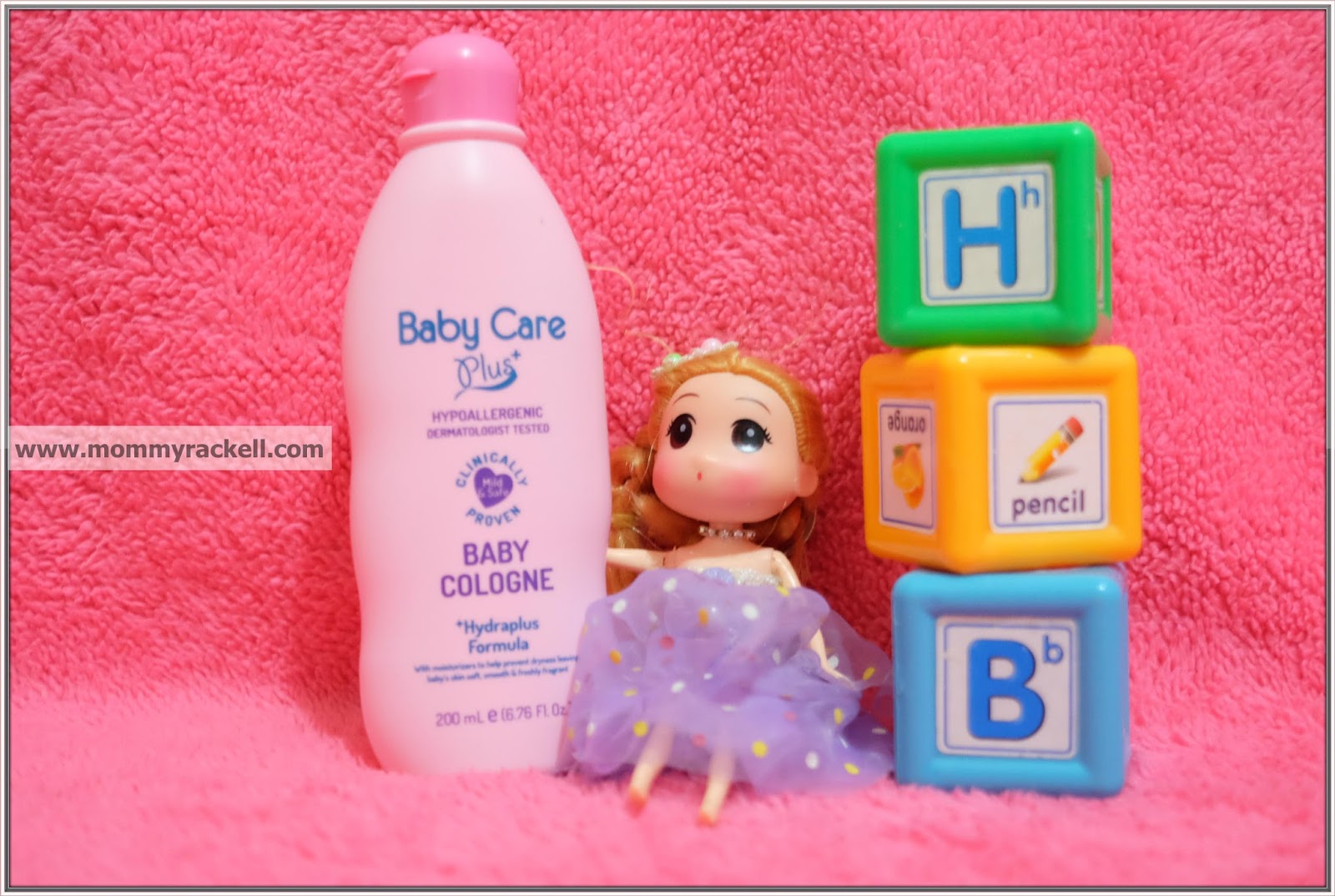
Quick routines and maintenance tips: establish a gentle, weekly cadence—light wipe-downs after play, mindful storage, and toy rotation. The goal is consistency, not constant scrubbing — I find this steady cadence works in our home.
- Stain categories to expect: food, mud, marker
- Toy materials guide care: fabric, plastic, rubber, wood
Stain removal tips for common messes: start with mild soap and water for most stains; avoid harsh chemicals near tiny mouths. For stubborn spots, test a gentle, non-toxic solution on a hidden seam.
Deep cleaning for quarantine periods (outbreaks, daycare)
Across South African homes, eight in ten parents report calmer mornings when toys stay gleaming. When considering what to wash baby toys with, a gentle, consistent approach keeps playtime bright and worry-free for busy families.
Quick routines and maintenance tip: set a gentle weekly rhythm—light wipe-downs after play, mindful storage, and toy rotation. The aim is steady habit, not heroic scrubbing sessions that exhaust the housekeeper and the toddler alike.
During quarantine periods such as outbreaks or daycare spikes, deep cleaning takes on extra meaning. Use this calm interval to reassess toy access, inspect surfaces and seams, and ensure high-touch items get extra attention without turning the home into a cleanliness battlefield.
Ultimately, balances safety and practicality matter most. The right cadence, paired with age-appropriate materials, helps little hands learn with fewer worries—while keeping the living room free from mysterious mouthfuls and muddled mayhem.
Bath toy care: draining, drying, and storage
Gleaming toys spark brighter mornings, and in South Africa that light often begins at home. A calm start follows when playthings stay in gentle order—and what to wash baby toys with becomes a quiet compass, guiding small hands toward safe, joyful play.
Bath toy care hinges on three quiet acts: draining, drying, and storage. Let moisture escape, permit fabrics and plastics to breathe, and tuck items in a ventilated space where tiny mouths won’t find a damp, shadowy corner.
During the day’s lull, rotate pieces and position toys where air can reach every seam. This keeps surfaces fresh and touchpoints predictable, letting families glide through the day with fewer interruptions and more smiles.
Tips for disinfecting toys after illness in the home
South Africa’s mornings sprint ahead, and a cheerful start hinges on toys that dry quickly and stay free of grime. what to wash baby toys with can feel like a big decision in a busy home, but a simple rhythm helps: wash with mild soap, rinse, and air-dry. That steady routine keeps playthings fresh and tiny hands smiling!
Here are quick routines that fit into a crowded day:
- Rotate toys to ensure air reaches seams and avoid moisture pockets
- Choose a mild, fragrance-free cleanser appropriate for babies
- Let items dry completely in a ventilated space before returning to play
After illness, disinfecting is about extra care, not drama: increase the cadence of checks, choose safe agents, and ensure complete drying to prevent mould. what to wash baby toys with matters, especially after illness. South African families juggle many roles—a steady standard makes safe play possible without fuss.
DIY storage and organization to minimize dirt
Fresh mornings in South Africa spark energy, not clutter. ‘A clean toy is a safer smile,’ a parent shared, and the idea sticks. In a busy home, a five-minute post-play reset keeps grime at bay and little hands curious and untroubled.
Smart storage is the quiet partner of clean toys. Clear bins, labeled baskets, and a small, mobile caddy by the play zone reduce dirt transfer and make tidy routine feel doable. A ventilated shelf and a ready-to-hand cloth turn chaos into calm.
When choosing cleaners, what to wash baby toys with matters and shapes your daily rhythm. Keep it gentle and baby-safe, especially after illness, and let the collection dry fully before the next round of play.

0 Comments