Assembling a Complete Newborn Care Kit
Choosing the Right Nail Clippers for Tiny Fingers
Surprisingly, a newborn’s fingernails can grow up to two millimetres in a week, which means parents face the delicate task of trimming far sooner than expected. Assembling a complete newborn care kit requires more than simply gathering products; it demands a curated approach to safety and hygiene. A haphazard collection of items will not suffice when you are handling a wriggling infant.
The challenge intensifies with nail care, as those tiny fingers are constantly in motion. Choosing the right nail clippers for tiny fingers often involves looking for slender, curved blades that follow the natural shape of the nail bed. A curved clipper provides superior visibility, which is essential when you are attempting to avoid the sensitive skin at the fingertip, known as the subungual area.
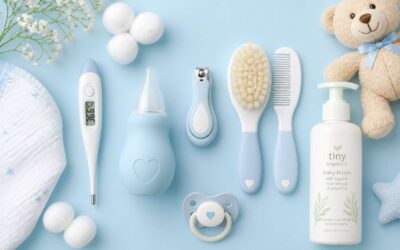
Your newborn care kit should include the following foundational items:
– A digital thermometer for accurate temperature checks.
– Nasal aspirator with a soft, rounded tip.
– Alcohol-free wipes designed for sensitive skin.
– Soft-bristled hairbrush for cradle cap.
Precision becomes your greatest ally during grooming sessions, as any slip can lead to minor cuts that cause parental anxiety. Therefore, prioritising tools with ergonomic handles and safety guards is a wise investment. With the correct instruments at hand, you can transform a potentially stressful ritual into a calm, manageable routine for both you and your baby.
Soft-Bristled Brushes and Fine-Toothed Combs
A newborn’s scalp can begin producing excess oil within the first few weeks, often leading to flaky patches that unsettle new parents. A soft-bristled brush becomes the quiet workhorse of any baby health and grooming kit, lifting loose skin without disturbing the delicate fontanelle.
Fine-toothed combs, meanwhile, handle crusted areas after a warm bath has softened them. Natural fibre bristles bend gently, while rounded comb teeth prevent red marks on tender skin. Many parents alternate daily brushing with a weekly combing session. This rhythm keeps the scalp clean and gives infants a familiar, calming sensation during grooming.
Safe Nasal Aspirators for Congestion Relief
Newborns are obligate nasal breathers. A blocked nose forces them to stop feeding and can disturb sleep within minutes. That is why any functional baby health and grooming kit should lead with a safe nasal aspirator.
The classic rubber bulb remains common, but it is difficult to sterilise. A modern aspirator with a tapered tip and a one-way valve collects mucus in a clear chamber. This design prevents fluid from flowing backwards into the airway, which matters during flu season in South Africa.
Warm saline drops soften crusted mucus before suction begins. The caregiver compresses the bulb, inserts the tip gently, and releases slowly. Cleaning the device with warm soapy water after each session takes thirty seconds and prevents bacterial buildup.
- Check that the tip is soft and rounded.
- Confirm the valve creates a proper seal for one-way flow.
- Store the aspirator in a ventilated case to avoid mould.
A complete baby health and grooming kit keeps this tool beside sterile wipes and a digital thermometer, all within arm’s reach of the nappy station. Congestion relief does not need complicated gadgets, just the right instrument used calmly.
Digital Thermometers for Accurate Temperature Checks
A fever in a newborn is not a small thing. The body’s response to infection can turn dangerous within hours, so your baby health and grooming kit must include a digital thermometer you trust. I recommend a rectal thermometer for infants under three months. It offers the most precise reading, and precision matters more than convenience.
Look for a flexible tip and a large display. The device should read within fifteen seconds and alert you clearly! Oral and ear thermometers lose accuracy with any movement, which is inevitable with a squirming child.
- Meets South African medical standards.
- Has a battery that lasts through a full season.
- Cleans easily with alcohol after each use.
Store the thermometer in a hard case, away from the nappy station’s dampness. A reliable reading gives you clear information. Your baby health and grooming kit works only when every tool functions on demand.
Gentle Hair and Body Grooming Accessories
Newborn skin is approximately 20 to 30 percent thinner than adult skin, yet it must transition from the watery womb to dry air within minutes. When assembling a complete newborn care kit, gentle hair and body grooming accessories become essentials of those first fragile weeks.
Consider what belongs in the bath basket:
- Natural cellulose sponges that soften against damp skin
- Unbleached muslin washcloths with no printed dyes
- A hooded towel with generous absorption and a snug corner for the crown
The baby health and grooming kit also holds a gentle cleansing lotion with a pH close to neutral. Warm water alone handles most of the work, so the lotion serves in small amounts. Accessories with rounded edges and breathable fabrics last through the season. A clean basket keeps them separate from the nappy pile.
Understanding Baby Skin and Hair Health
Recognizing Common Skin Conditions in Infants
Nearly 70% of newborns experience a transient rash or scalp flaking in their first months. Infant skin is thinner and more permeable than adult skin, so even mild cleansers can provoke irritation! Understanding baby skin and hair health starts with accepting this fragility.
Recognizing common skin conditions in infants requires patience and close attention. Cradle cap forms yellowish scales on the scalp, heat rash appears as red bumps in skin folds, and eczema leaves dry, itchy patches on cheeks or limbs. These conditions rarely signal serious illness, yet they demand consistent care.
- Seborrhoeic dermatitis, or cradle cap, stems from overactive oil glands
- Miliaria rubra, or prickly heat, develops when sweat ducts clog
- Atopic dermatitis, often called eczema, involves an overreactive immune response
A well-chosen baby health and grooming kit gives parents practical tools to manage these signs calmly. This baby health and grooming kit should include gentle brushes, soft sponges, and fragrance-free balms to support daily inspection without stripping natural oils. That quiet routine builds confidence for both caregiver and child.
Managing Cradle Cap and Dry Scalp
Cradle cap looks far worse than it feels. That crusty, yellowish layer on your baby’s scalp is mostly overactive oil glands, not a medical emergency. Most infants outgrow it by their first birthday, but waiting feels endless when every onesie comes back with beige flakes attached.
Managing dry scalp requires restraint rather than vigorous scrubbing. Warm water softens the scales, while a soft brush lifts them without scraping tender skin. A reliable baby health and grooming kit simplifies this routine: one brush for loosening, one balm for moisturising.
- Brush the scalp before washing to lift loose flakes
- Apply a fragrance-free balm while the scalp is damp
- Rinse thoroughly to avoid product buildup
The goal is consistent care, not perfection. A complete baby health and grooming kit turns cradle cap from a weekly worry into a five-minute habit.
Choosing Hypoallergenic and Fragrance-Free Products
Baby skin is roughly 20% to 30% thinner than adult skin, which makes it highly permeable and prone to moisture loss. A sensible baby health and grooming kit accounts for this fragility. Hypoallergenic and fragrance-free products are not interchangeable terms. Hypoallergenic means fewer common allergens, while fragrance-free means no scent compounds at all, including hidden ones. For South African climates, where humidity fluctuates wildly, this distinction matters.
I have seen parents choose a lovely smelling lotion and wonder why their baby develops red patches! Synthetic perfumes are a leading cause of contact irritation. Stick to formulas with five ingredients or fewer. Water, glycerin, and a basic emollient are often enough. A good kit will feature these simple options. Reassess your choices as your baby grows because skin changes constantly.
The Role of Moisturizing in Baby Skincare
A newborn’s skin is not a miniature version of our own. Its outer layer, the stratum corneum, is far thinner and its natural water-holding compounds are still maturing. Moisturizing in baby skincare is structural, not superficial. A well-chosen cream, applied after bathing, helps the skin retain hydration while the pores are receptive. Understanding this, the baby health and grooming kit starts with moisture, not accessories.
Healthy hair begins at the scalp, which is skin too. A dry, flaky scalp produces brittle strands and discomfort. Gentle moisturizing keeps the scalp supple and supports hair follicles from beneath. For South African families, where sun and wind strip moisture quickly, this matters daily.
- Preserves the delicate acid mantle
- Reduces transepidermal water loss
- Keeps the scalp environment balanced
A complete baby health and grooming kit includes one gentle moisturizer for both skin and scalp. Fewer ingredients, fewer variables. That simplicity is the real protection.

Identifying Allergic Reactions to Grooming Products
Most parents notice a rash within 48 hours of introducing a new grooming product, but the earliest signs are subtler. Warmth on the cheeks, a faint flush behind the ears, or sudden fussiness during application can signal sensitivity. Baby skin and hair health depends on recognizing these cues before they become contact dermatitis.
Allergic reactions often appear where the product lingers: the scalp, the neck creases, or wrist folds. Hives, swelling, or weeping patches require immediate action! For South African homes, climate extremes worsen the skin’s response.
Check your baby health and grooming kit for these indicators:
- Redness spreading beyond the applied area
- Dry patches that feel warm
- Excessive scratching or head rubbing
- Tiny blisters or crusting
No product is foolproof, as I remind every parent. The skin’s response is the final test, one that varies with each child.
Step-by-Step Grooming Routines for Different Ages
Bathing and Washing Techniques for Newborns
In the blue hour before the sun touches the Cape Flats, a newborn’s first bath is a matter of precision. The water must be lukewarm, no more than 37 degrees Celsius, for a baby’s skin is thin and loses heat quickly. Begin with the face, using a soft cloth and plain water. Then move downwards, leaving the cord stump dry. A carefully stocked baby health and grooming kit, kept within arm’s reach, prevents any fumbling.
As the infant grows, the washing technique transforms.
- Newborn to one month: sponge baths only, never immersion.
- One to three months: shallow tub with a supported back.
- Three to six months: allow splashing, but keep the head above water.
Each stage has its own rhythm. The older child may resist, but the principle remains: short, warm, and unhurried. Check the creases, pat the skin dry, and never leave a child unattended.
Trimming Nails Safely Without Nicks
The smallest snip can feel monumental. A newborn’s nails grow rapidly, requiring trims weekly. Your baby health and grooming kit should sit ready, but the routine shifts with age. For newborns, trim while sleeping. For infants from one to six months, trim after bathing. For older babies, use a second person to steady the arm.
To cut without nicks:
- Press the fingertip away from the nail bed.
- Clip straight across, never curving.
- File the corners with a fine board.
That method reduces errors. Always inspect the nail afterward.
Brushing and Styling Baby Hair Gently
Routines change faster than you expect. A baby health and grooming kit adapts to each stage, but the order of steps matters. Newborns need speed, so you work while they sleep. Infants respond well to post-bath grooming. Toddlers need a playful rhythm. Hair care follows the same logic. A newborn’s scalp is delicate, so a soft bristle brush moves in short strokes. At six months, finer hair needs a wide-tooth comb.
For each age, keep this order:
- Support the head and neck for newborns.
- Brush away from the face, using gentle pressure.
- Comb through tangles when hair is still damp.
Brushing and styling baby hair gently turns the daily routine into a calm exchange. This approach avoids tears and keeps the scalp healthy.
Cleaning Ears and Noses Without Causing Discomfort
The tiny cartilage of a newborn’s ear demands a steady hand, and a baby health and grooming kit provides the correct tools for this delicate task. Most parents overthink, but the rule is simple: only clean what you can see. Use a damp, soft cloth to wipe the outer fold. Never insert a cotton bud into the canal; it pushes wax deeper. For noses, a gentle squeeze of saline loosens congestion. Then, allow the baby to sneeze or use a soft bulb for suction.
- Position the baby’s head to the side.
- Wipe the outer ear with a wet cloth.
- Apply saline drops to the nostril.
- Wait two minutes before gentle suction.
For toddlers, the process shifts from speed to cooperation. Let them hold the cloth and blow their own nose. This builds trust. A baby health and grooming kit adapts, but the underlying principle remains: never force, never probe, and always observe for discomfort.
Establishing a Calming Grooming Schedule
Some South African parents dread grooming time. Others treat it as a quiet ritual. The baby health and grooming kit they use often makes the difference.
For newborns, the schedule follows the feeding cycle. Sleep, feed, groom. This sequence, repeated daily, helps regulate a developing nervous system. I have seen this routine ease fussy infants into predictable days.
- Newborns (0 to 3 months): Groom after feeding, during the calm window.
- Infants (3 to 12 months): Weave songs and soft chatter into the ritual.
- Toddlers (12 months and older): Offer choices, like which brush to use.
For toddlers, the routine becomes a collaborative effort. Let them hand you the comb. Let them hold the washcloth!
Consistency separates a successful grooming schedule from a stressful one. The baby health and grooming kit simply makes that consistency possible.
Hygiene and Sanitation of Grooming Tools
How to Clean and Disinfect Baby Grooming Tools
Most parents wipe down a thermometer before use, yet the same care rarely extends to the entire baby health and grooming kit. Moisture and organic matter linger in crevices, turning clippers and combs into breeding grounds for microbes. That is a hidden hazard!
Cleaning begins with removing visible debris under warm running water, then applying a disinfectant that is safe for infant tools. These options work well:
- Isopropyl alcohol at 70% concentration
- Boiling water for metal and silicone parts
- A diluted vinegar solution for brushes and combs
After disinfecting, air dry every piece completely before storing. Hidden dampness causes rust and fungal growth. Regular sanitation preserves both the tools and your child’s wellbeing.
Proper Storage to Prevent Bacterial Growth
A baby health and grooming kit can be spotless one day and contaminated the next if storage fails. Most nursery drawers trap heat and moisture, creating an ideal environment for bacterial growth. I once found a drop of water inside a nail clipper after a thorough cleaning. That single drop taught me that sanitation without ventilation is incomplete.
Store your tools with these principles in mind:
- Choose containers with perforated sides or mesh compartments
- Place the kit in a cool area away from bathrooms and windowsills
- Keep tools separated so they do not touch each other
Check for dampness each week. If you notice condensation, remove all items and let them rest on a towel for an hour. This simple routine keeps your baby health and grooming kit safe between uses!
When to Replace Nail Clippers, Brushes, and Thermometers
A meticulously cleaned baby health and grooming kit has hidden expiry dates. Sterilisation postpones the inevitable decline of tools. Nail clippers lose alignment after eight months, leaving jagged edges that invite micro-tears. Brush bristles soften, splay, and trap oils no rinse can remove.
Replace nail clippers every nine months, or sooner if the pivot feels loose. Swap brushes every six months, particularly after cradle cap treatments. Thermometers are different; their sensors drift.
- Check the reading against your own armpit temperature twice a year.
- If the screen flickers or delays, replace immediately.
For digital thermometers, a two year lifespan is a safe ceiling inside a baby health and grooming kit. Battery corrosion and sensor fatigue accumulate silently. Rust spots on any metal component signal an immediate swap. A lingering metallic or sour odour after cleaning means the tool has surrendered. Trust the calendar over momentary appearances.
Avoiding Cross-Contamination Between Family Members
That separation is necessary. One adult carries 50 trillion microbes. Your baby’s immune system meets them all at once. Keep the kit singular, or keep it sterile.
When to Consult a Pediatrician: Red Flags in Baby Grooming
Unusual Skin Rashes or Persistent Irritation
Most nappy rashes and heat bumps fade within days. A rash that spreads, weeps, or feels warm demands a call to your clinic. Persistent irritation that outlasts a week is not normal.
Watch for these red flags:
- Blisters or open sores after using a grooming tool
- Swelling around the eyes or lips following a bath
- Fever accompanying an unexplained skin outbreak
A well-chosen baby health and grooming kit reduces these risks. If any product causes burning, stinging, or worsening redness, stop it immediately. Your pediatrician can tell the difference between infection and a simple contact reaction. Early action keeps a minor issue from becoming something worse.
Signs of Infection from a Nail Cut or Scratch
A tiny nick from a nail clipper can become a serious infection within hours. Infant skin heals quickly, but their immune systems remain vulnerable. Parents in South Africa often wonder when a simple scratch deserves a trip to the clinic. Watch for warmth, swelling, or discharge around the wound.
Signs of infection from a nail cut or scratch include:
- Redness that spreads beyond the immediate area
- Yellow or green pus seeping from the cut
- A fever that appears within 48 hours
- Unusual fussiness or crying when the area is touched
Any of these warrant a call to your pediatrician. A well-chosen baby health and grooming kit with rounded-edge clippers reduces these risks, but even the safest tools can leave a scratch. If the wound feels hot or the redness doubles in size within a day, do not wait for a routine appointment. Early intervention transforms a worrying moment into a manageable one.
Excessive Hair Loss or Abnormal Scalp Conditions
Every newborn sheds hair, usually a quiet and temporary affair. But when the loss turns excessive, or the scalp develops bare patches with ragged edges, a deeper problem may lurk beneath. A baby who loses hair in clumps may carry a fungal infection called tinea capitis, or ringworm, which thrives in warm South African climates. The scalp might itch, flake into grey scales, or show swollen glands at the neck.
Watch for these red flags:
- Bald circles that multiply over days
- Hair loss with redness or pustules
- Scaling that worsens despite gentle washing
These patterns differ from cradle cap. A reliable baby health and grooming kit supports scalp hygiene, but no brush or comb cures an infection. If you spot these signs, contact your pediatrician without delay.
Difficulty Breathing During Nasal Cleaning
The average newborn breathes almost exclusively through the nose for the first several months, which makes nasal hygiene both necessary and delicate. You may rely on a bulb aspirator or saline drops from your baby health and grooming kit, but no product should ever cause labored breathing.
Watch for these red flags during or immediately after nasal cleaning:
- Nostrils flaring wide with every breath
- Chest or neck tugging with each inhale
- Blue or grey lips, tongue, or nail beds
- A hoarse, whistling cry or grunting
Any of these signs mean suction has crossed from gentle clearing to airway compromise. Stop the procedure, comfort the baby, and consult your pediatrician the same day. Difficulty breathing is not a normal part of grooming; it warrants immediate medical attention.
Fever or Other Symptoms Associated with Grooming
Fever after a grooming session is not something to wave off. A temperature above 38°C in an infant under three months demands a same-day paediatric consult, even if you own the finest baby health and grooming kit on the market. The kit is not a medical device. It cannot diagnose, treat, or explain away a fever.
Other red flags include:
- Lethargy that lasts hours after grooming
- Refusing feeds for more than one cycle
- Vomiting or diarrhea within 24 hours
- Localized swelling that worsens despite cleaning
These symptoms suggest the body is reacting to something more than a fussy bath. A paediatrician will not scold you for an unnecessary visit, but they will take a fever seriously. When grooming turns systemic, the kit goes back in the drawer and the doctor takes over.



0 Comments