DIY Baby Toy Ideas and How-To Guide
Soft Fabric and Rattle Toys
Tiny fingers, bright ideas, and a DIY spirit—that’s the rhythm of South African playtime. When exploring baby toys how to make, safety, sensory delight, and turning fabric scraps into smiles are my goals. Bold contrasts, soft textures, and gentle sounds turn everyday moments into mini-adventures for curious little minds.
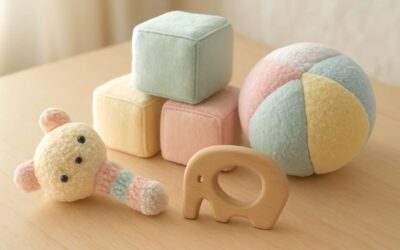
Soft fabric and rattle toys shine when you prioritize safety and washability. For a gentle starter, consider materials like 100% cotton or bamboo fabrics and soothing fillings; keep rattles sealed and free of small parts. Here’s a quick materials sketch to keep in mind:
- Cotton or bamboo fabric for breathability
- Non-toxic, hypoallergenic filling
- Small, enclosed rattle or squeaker
Shapes, textures, and high-contrast colors do the heavy lifting in early development—think big wheels, friendly animals, and tactile stitches. This approach yields durable keepsakes fit for South Africa’s bathtub and beach days, with a playful edge that stays safe and engaging.
Montessori and Sensory Toys
As Montessori reminds us, “Play is the work of the child”—a creed that travels well from Johannesburg kitchens to Cape Town nurseries. In crafting DIY baby toys how to make, we lean into open-ended, sensory-rich designs that invite exploration without clutter. Think simple, natural materials, safe textures, and orderly, tidy play spaces that soothe rather than overwhelm. These ideas honor Montessori principles while answering SA families who crave durable, washable toys that endure bathtub splashes and sandy beaches.
- Open-ended wooden blocks paired with fabric swatches for tactile contrast.
- Clear sensory bottles with safe contents to observe movement and color.
- A fabric page book with crinkly textures and high-contrast illustrations.
The aim is to foster independent exploration, not to stage a museum piece—an ethos that makes South African play both practical and poetic.

Teething Toys and Safe Alternatives
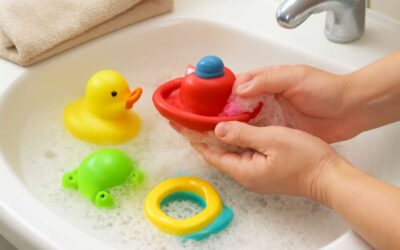
Play is serious business, and the simplest DIY toys often outlast the glossy gadgetry—especially when they survive bath time and beach days. Teething toys, too, benefit from simple, washable materials. For those curious about baby toys how to make, this guide gravitates toward open-ended, sensory designs that invite exploration without clutter.
Here are gentle, non-actionable ideas that respect safety and lasting appeal:
- Enduring, non-toxic materials (cotton, wood, silicone).
- Textured contrasts for gums and fingers.
- Size and shape that minimize choking hazards.
- Simple care and washability.
- Rotation-friendly storage to reduce clutter.
From Cape Town kitchens to Joburg lounges, durable playthings that rinse clean and shrug off sand belong in every SA home. Simple, honest design turns baby play into practical poetry.
Busy Boards and Play Panels
As a Cape Town designer once quipped, “Open-ended play is architecture in miniature” and it rings truer every bath time. Busy boards and play panels invite curious fingers to explore through texture, color, and simple mechanics, without becoming clutter magnets. In a market crowded with noise, these DIY-inspired ideas cut through the gloss with honesty and practicality.
Designed for safety and durability, they prefer enduring materials—cotton, wood, silicone—built to withstand sand, sun, and spilled milk. Textures invite gums and fingers to explore, while shapes minimize fuss and fussiness. If you’re curious about baby toys how to make, this guide leans into modular, rotation-friendly pieces that grow with little explorers and sneak washability into every corner of SA homes.
- Textured fabric panels for tactile play
- Wooden latches, sliders and pegs on a safe frame
- Silicone beads and teether elements integrated into a soft edge

0 Comments