Choosing the right cleaning method for baby toys
Hand washing vs machine washing
Germs don’t pick favourites; a toy left in a corner becomes a hidden science experiment, as a nurse once quipped, “care is cleanliness translated into love.” Deciding how to wash baby toys is less about speed and more about respecting tiny hands that explore the world. Hand washing feels intimate, a ritual of touch; machine washing speaks to efficiency and consistency, especially when life hums at full volume here in South Africa.
- Material type (hard plastic, fabric, plush)
- Risk of water damage to electronics
- Detergent compatibility and residue
The right method is not a fortress of rules but a balance between gentleness and practicality. If you’re unsure, listen to the materials, the family schedule, and the toy’s history—because care is a quiet philosophy that keeps little joy intact.
Cleaning electronic or battery-operated toys
Gleaming playthings carry more than color; they cradle tiny discoveries and tinier germs. For how to wash baby toys, especially electronic or battery-operated ones, reverence beats rush. In South Africa, a mindful touch preserves playtime and protects curious fingers.
Consider these factors before any cleansing ritual:
- Material type (hard plastic, fabric, plush)
- Risk of water damage to electronics
- Detergent compatibility and residue
The right method is not a fortress of rules but a balance between gentleness and practicality. Listening to the toy’s history and the family’s tempo helps keep little joy intact, even in a bustling SA home.
Cleaning plush and fabric toys
Tiny fibres, big germs—plush and fabric toys hold onto more than memories. In South Africa, choosing how to wash baby toys is less about rigid rules and more about balance: gentle on plush, practical on grime.
When you ask how to wash baby toys, the answer starts with the material type, colourfastness, and wear. Cotton, velvet, or synthetic microfiber each begs a different approach, especially for ageing prints and tiny embellishments.
Consider these fabric families:
- Plush and pile fabrics
- Cotton blends
- Synthetic microfiber
Keep in mind that stains can warp texture or fade colour, so the aim is to safeguard fluff while removing grime without turning the toy into a stiff statistic.
Cleaning hard plastic and silicone toys
Hard plastic and silicone toys deserve a disciplined gaze: they endure the bustle of a busy South Africa home yet reveal wear in gloss and micro-scratches. When you ask how to wash baby toys, you weigh surface finish, colourfastness, and the manufacturer’s notes more than the latest trend. A goal is bright surfaces that feel pristine without introducing harsh chemicals into a child’s world.
For these materials, gentle methods that respect seals and seams tend to yield the most enduring, luminous play companions. Maintain flexibility in your choices by considering the grime profile—sweat, drool, or sticky treats—without compromising safety or lustre.
- Material and finish—avoid heat shocks and aggressive solvents.
- Colourfastness—beware dyes that bleed; test a hidden edge first.
- Maintenance philosophy—prefer mild cleaners and thorough rinsing to keep shine.
Cleaning by material and toy type
Fabric and plush toys care
Fabric and plush toys hold a child’s laughter longer than a favorite song, yet they absorb dust, spills, and the occasional crumb. In South Africa, many households underestimate the care plush fabrics demand, letting stains linger and colors fade. I’ve seen favorites soften with attention over time.
Fabric and plush come in a spectrum—from cotton and fleece to soft synthetic pile—and each material behaves differently in the wash. The common thread is gentleness and respect for stitching, seams, and stuffing.
When considering how to wash baby toys, let the fabric guide the approach. Check labels, remember that colorfastness and padding influence care, and prioritize a clean result that preserves softness and safety.
Rubber, silicone and plastic toys care
“A clean toy is a safe toy,” says many SA nursery guides, and it’s not just sentiment—it’s hygiene. When we discuss how to wash baby toys, rubber, silicone and hard plastic items demand a different touch than fabric friends.
Rubber keeps bounce and can trap grime in seams; silicone resists moisture and cleans easily; hard plastic shows stubborn fingerprints. For each, gentleness matters more than force, and the goal is to remove residue while preserving shape.
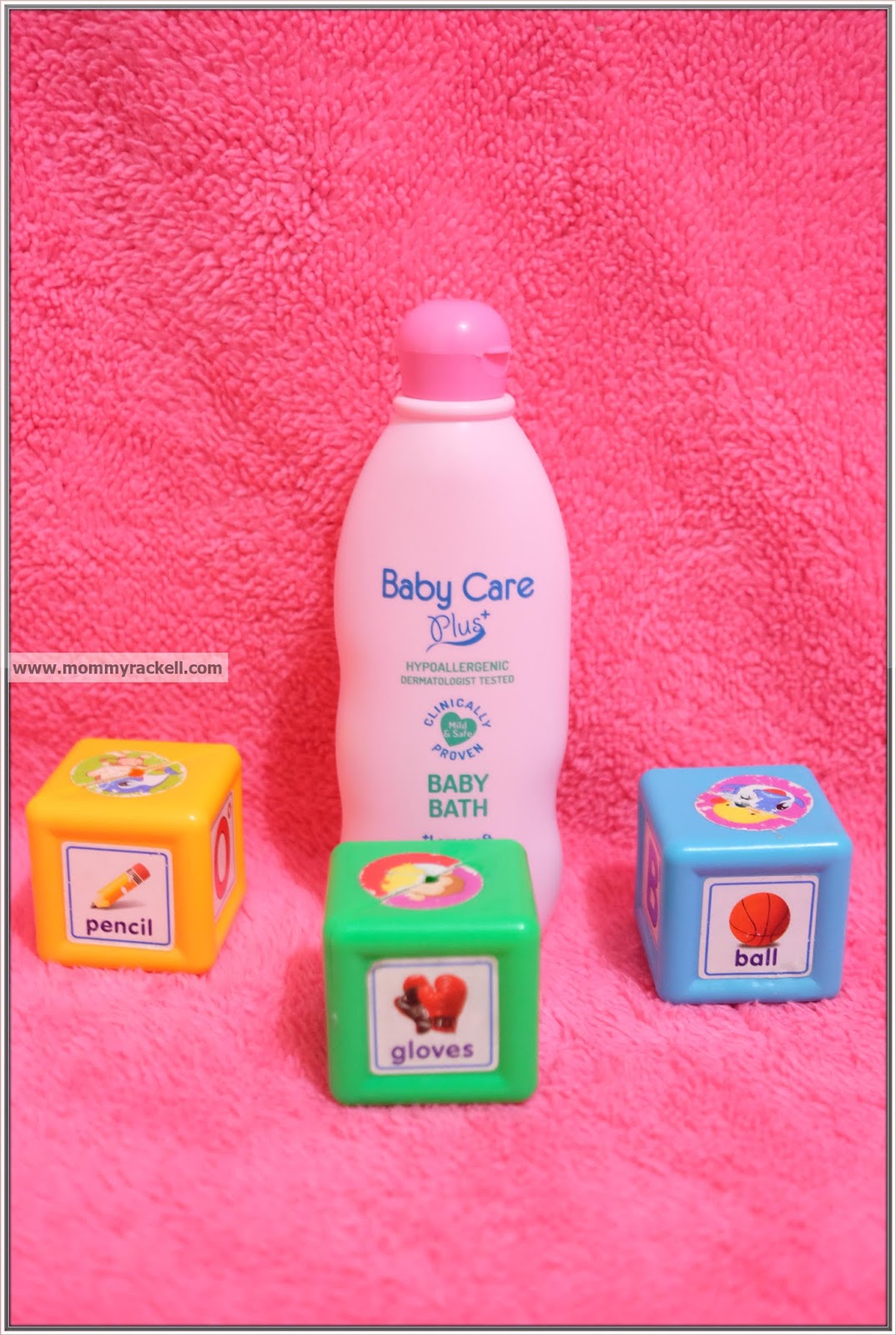
- Rubber toys: resilient but prone to staining in crevices.
- Silicone toys: non-porous and quick-drying, typically gentle on heat.
- Hard plastic toys: rigid and easy to rinse, though small seams can hide grime.
This approach mirrors real-world practice for how to wash baby toys in South Africa, keeping play safe and soft in homes from Cape Town to Durban.
Wooden toys and natural materials care
Wooden toys carry the sunlit warmth of childhood — yet they demand a gentler touch in our South African homes, from Cape Town harbor mornings to Durban’s humid evenings. When we ponder how to wash baby toys, wooden and natural-material companions speak a language of grain, finish, and breath rather than splash and shimmer.
They thrive with restraint: moisture is a foe to the grain, so a soft wipe and air-dry in shade, avoiding soaking. Finishes endure best when shielded from harsh chemicals and excessive wetness, preserving the tactile memory children seek in every knotted surface and carved edge.
To honour SA households and the little hands that grip and explore, here are guiding principles for cleaning by material and toy type, a gentle reminder of how to wash baby toys.
- Preserve grain and patina through gentle, considerate care
- Avoid prolonged moisture and harsh cleansers that dull texture
Toys with paint, decals, or delicate finishes care
Wooden finish and painted surfaces remind us that gentleness is a craft, not a luxury. In SA homes, where sunlit mornings meet coastal air, toys with paint or decals demand restraint—a soft touch, a quiet wipe, and time for air to circulate between uses.
When considering how to wash baby toys with such finishes, the aim is to preserve color and texture without soaking into memory of the grain. Harsh cleaners dull decals; moisture can bleed pigment and lift edges, so opt for mild, pH-balanced products and discreet testing.
- Ensure a gentle touch that respects paint and decals
- Avoid soaking; let finishes breathe and dry in shade
- Choose mild, fragrance-free cleaners to protect delicate coatings
Special cases: squeakers, batteries, and zippers
South African households juggle playtime with a constant stream of chores—a cheeky 60% admit their toy-cleaning routine could use a boost. That’s why thoughtful care for toys by material and type isn’t just clever; it’s practical.
When you consider how to wash baby toys by material, textures dictate the mood. Hard plastic and silicone welcome quick surface wipes and air-drying; wood rewards restraint to protect grain; fabric and plush favour gentle spot-cleaning and breezy drying away from strong sun. The aim is color and texture preserved, not waterlogged.
Special cases: squeakers, batteries, and zippers
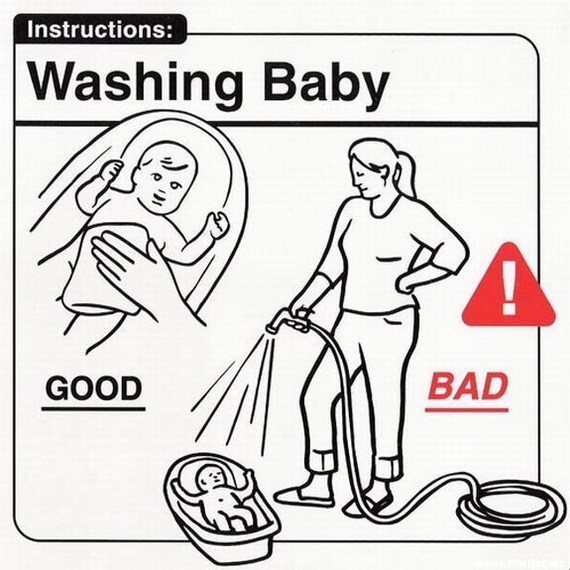
- Squeakers: moisture can swell the unit; drying outcomes may vary.
- Batteries: water contact can damage circuits; electronics demand special attention in cleaning narratives.
- Zippers: moisture can rust or seize; the zipper area often needs extra drying time before reuse.
With these material-minded notes, you’ll navigate the SA toy-scape without sacrificing safety or charm.
Safe products and sanitizers for baby toys
Mild soap options and proper dilution
Gleaming toys cradle laughter and light, yet invisible germs linger between tickles and tumbles. In South Africa, parents know that clean play is a quiet triumph, preserving childhood magic while safeguarding tiny hands from the unseen.
When you ask how to wash baby toys, turn to safe products and sanitizers designed for little hands. Choose fragrance-free, pediatrician-approved options, and lean toward mild soaps with gentle dilution—no harsh cleaners—to keep surfaces luminous after every splash!
- Fragrance-free, baby-safe dish soap
- Sanitizers labeled for toys (fragrance-free)
- Plant-based cleaners without dyes or harsh additives
Rinse thoroughly and let them air-dry naturally, so the soft rhythm of play returns with every touch.
Natural cleaners that are baby-safe
Across South Africa, the wonder of a clean toy lingers like morning light on a child’s playroom. When pondering how to wash baby toys, parents seek safe, fragrance-free allies—pediatrician-approved products that honor tiny hands and developing noses. Plant-based cleaners without dyes or harsh additives rise to the fore, keeping surfaces luminous without leaving a residue in the air or on curious fingers.
Fragrance-free, pediatrician-approved options emerge as trusted companions, aligning with gentle play. Plant-based formulas, free from dyes and harsh additives, carry a soft, comforting chemistry that respects developing skin. This approach shifts mood from concern to curiosity, inviting families to choose with care and confidence.
Sanitizing methods: safe and effective
“We want play, not chemical residue,” a South African parent told us, and that wish guides every choice in safe toy care. This section celebrates gentle sanitizers and careful selection that keep little hands free of fumes while preserving the toy’s cuddle-factor.
When selecting products, seek traits that support how to wash baby toys responsibly:
- Non-toxic, dye-free formulas that rinse clean
- Plant-derived ingredients with transparent, child-safe labeling
- Clear safety certifications from trusted bodies
Sanitizing methods should be safe and effective, leaving no sticky residues and allowing toys to air-dry fully in a clean space. Opt for options designed for frequent use and easy rinsing so gentle play can continue without disruption.
In the South African home, accessibility to locally produced, hypoallergenic cleaners turns cleaning into a calm, almost ceremonial ritual—an invitation to imagination that doesn’t compromise safety
Drying, storage, and ongoing maintenance
Air drying vs towel drying
Air drying is the quiet hero of keeping baby toys safe and mold-free. How to wash baby toys hinges on drying as much as washing. Air drying on a clean rack promotes thorough evaporation and minimizes mildew, especially for fabric and porous toys; towel drying alone can leave pockets damp!
Balance speed with safety by choosing a spot with airflow, I find. If you need speed, a quick exterior towel dry followed by air drying helps.
- Airflow and spacing matter for thorough drying.
- Even drying across surfaces reduces moisture pockets.
- Check seams for dampness before storage to prevent mildew.
Store fully dry toys in a breathable bin or on open shelves, away from heat. In SA homes, a sunny windowsill can double as a safe drying spot. Ongoing maintenance means monthly checks for mold or tears and a quick wipe when you notice dust.
Speed-drying tips to prevent mold
Dry time is the unseen partner to how to wash baby toys. Mold isn’t loud, but it’s in the seams. In South Africa, humidity swings make speed-drying a practical priority for safety and playtime. Drying fast isn’t reckless—it’s preventive care that keeps fabric and plastics fresh while reducing mildew risk.
Store fully dry toys in a breathable bin or on open shelves, away from heat. A sunny SA windowsill can double as a safe, natural drying spot, but never store damp items—they invite odors and damage. Ongoing maintenance means simple, regular checks for dampness, wear, and dust that might mask moisture.
Signs of complete readiness include even drying across surfaces, no damp pockets, and a clean scent that persists after storage.
- Even drying across surfaces
- No damp pockets
- No musty odor
- Seams intact
Storage ideas to keep toys clean between uses
Drying, storage, and ongoing maintenance aren’t glamorous, but they’re the quiet shield that keeps every toy battle-ready. When you think about how to wash baby toys, pair the wash with smart, breathable storage that won’t trap moisture or invite mildew.
Storage ideas to keep them clean between uses:
- Ventilated, breathable bins or baskets
- Open shelving in a cool, dry spot away from direct sun
- Rotate toys weekly so every piece gets air-time
- Use moisture absorbers or silica gel near storage, out of reach of curious fingers
Keep maintenance a habit: quick weekly checks for dampness, musty smells, or hidden moisture in seams. Wipe away dust, spot-clean as needed, and confirm full dryness before storage. Because how to wash baby toys is only half the battle—drying and smart storage finish the job.
Regular inspection and when to discard damaged toys
Air is the quiet guardian of every toy. In South Africa, where summer humidity presses in, drying after washing is not mere housekeeping—it is a covenant with play. When you wonder how to wash baby toys, remember: the true shimmer happens when moisture leaves and spirit returns.
Drying finds its rhythm in breathable spaces and cool, shaded corners. Pair it with mindful storage that invites air and discourages dampness, then maintenance becomes a quiet habit rather than a task. Let the day’s toys settle into balance, not entombment.
- Light, breathable storage near a cool wall
- Regular checks for dampness or smells
- Discarding damaged toys when repair isn’t possible
Regular inspection helps you notice hidden moisture in seams, ensuring the playful chorus remains bright. A damaged toy deserves retirement for safety and dignity—before the next child finds it again in the toy box of life.

0 Comments