Foundations for choosing baby toys
Developmental milestones across the first year
In South Africa’s bustling nurseries and cosy lounges, the question of foundations for choosing baby toys isn’t just about entertainment—it’s about nurturing neural pathways and secure exploration. A seasoned pediatrician puts it plainly: “play is the work of infancy.” That lens helps caregivers pick for joy, safety, and growth. Gentle moments of discovery in a home make the point—playfully, thoughtfully, and with care.
So, what are good baby toys? They are safe, simple, and adaptable, with clean materials and durable construction. Prioritise age-appropriate designs, uncluttered textures, and toys that invite cause-and-effect play. Seek toys that encourage reaching, grasping, and sensory exploration while meeting SA safety standards.
Across the first year, milestones arrive with quiet drama—
- 0–3 months: tracking, grasp reflex
- 4–6 months: reaching, mouthing
- 7–12 months: object permanence, cruising
These markers guide toy selection to align with growth and curiosity.
Essential safety considerations for infant toys
Play is the work of infancy, a pediatrician’s truth that threads through South Africa’s nurseries and cosy lounges. Foundations for choosing toys rise from safety, simplicity, and sturdy character, inviting exploration without overwhelm. When a toy glints with intent yet cushions tiny hands, it becomes a doorway to secure discovery!
- Non-toxic materials and durable construction
- Age-appropriate design with clear textures
- Free of small parts and easy to clean
These essentials help answer what are good baby toys, guiding care and curiosity.
Understanding age-appropriate labeling and guidance
“Tiny hands, vast discoveries.” In South Africa’s nurseries and cosy lounges, foundations for choosing baby toys hinge on clarity and guided wonder. Understanding age-appropriate labeling helps turn whimsy into a safe, stepwise apprenticeship, where a label’s line about suitable ages and intended play aligns curiosity with capability. When packaging speaks plainly, exploration unfolds with grace rather than guesswork, inviting discovery at just the right pace.
- Age range and developmental cues clearly stated on the label
- Intended play style and learning goals described in simple terms
- Material notes and any safety marks easy to spot
- Care instructions and cleaning guidance for busy homes
These cues help answer what are good baby toys, guiding choices for busy South African households and ensuring play remains a beacon of safe, joyful growth.
Benefits of sensory-rich toys
Foundations for choosing baby toys hinge on clarity and gentle challenge. In busy South African lounges and nurseries, the right toy becomes a quiet mentor, inviting exploration without overwhelm. When play is paced with purpose, curiosity grows with every grasp, twist, and shake—the room itself softens into a learning space.
To ground selections, consider these foundations:
- Non-toxic, easy-to-clean materials suited to daily life.
- Varied textures and gentle sounds that invite touch.
- Ergonomic shapes and appropriate sizes for tiny hands.
So what are good baby toys? The answer lies in sensory-rich play: textures, contrasts, and simple manipulatives that invite touch and problem-solving. In South Africa, these choices translate into play that’s accessible, affordable, and quietly transformative—one toy, many tiny discoveries.
How to evaluate toy quality and materials
Foundations for choosing baby toys hinge on more than cuteness; they demand quality, durability, and honest materials. When evaluating what are good baby toys, look beyond labels and watch how a toy withstands daily life in South Africa: smooth edges, secure seams, and colours that resist wear.
Consider these criteria as a quick checklist:
- Certified materials and finishes that are easy to wipe and safe.
- Sturdy construction with secure joints and no detachable parts.
- Clear safety labeling, age guidance, and trusted marks such as SABS or CE.
- Maintenance-friendly design, capable of withstanding daily use and washes.
Toy categories aligned with age and stage
Newborn to 3 months: visual stimulation and simple objects
Bright beginnings arrive in minutes: a newborn’s world is a gentle drift of light, sound, and soft texture. In the newborn to 3 months window, what are good baby toys becomes a question of visuals that invite a quiet gaze and objects that fit tiny hands. “The earliest toys are the ones that fit in your hand and catch the eye,” a child-development specialist notes, reminding us that wonder can bloom from the simplest shapes.
For this stage, categories lean into visual stimulation and tactile simplicity. High-contrast patterns, soft graspables, and tiny mobiles turn everyday moments into tiny adventures.
- High-contrast black-and-white cards or fabrics
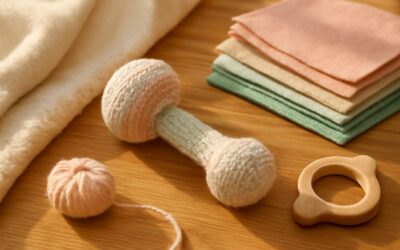
- Soft rattles with gentle sounds
- Lightweight fabric mobiles
These choices invite gentle noticing and tactile curiosity, weaving colour, texture, and light into everyday moments. These choices invite gentle noticing and tactile curiosity, weaving colour, texture, and light into everyday moments.
3 to 6 months: grasping, teething, and cause-and-effect toys
Between the 3- to 6-month milestone, tiny palms claim the day, and the question guiding every thoughtful shopper is what are good baby toys. Grasping becomes the grammar of play; teething surfaces offer relief; and cause-and-effect—how delightful—delivers a child’s first forecast of the world, even in South Africa!
- Soft grasping toys in palm-friendly sizes
- Teething rings with safe silicone
- Shaking or pressing toys that reveal a simple reaction
As play evolves, choose toys that invite exploration without overwhelming the senses. Keep surfaces easy to clean, materials gentle, and allow tiny experiments in coordination, all while a parent smiles at the diminutive theatre unfolding on the coffee table.
6 to 12 months: mobility, manipulation, and pretend play
From six to twelve months, babies chart mobility, refine manipulation, and dip their toes into pretend play. The question on many SA parents’ lips—what are good baby toys? I’ve seen it shift from passive objects to instruments of balance, curiosity, and social connection. Push toys invite cruising, while textured blocks and nesting cups reward tiny fingers with satisfying clicks and clacks.
- Mobility: lightweight push toys, pull-along figures, or low-slung ride-ons that encourage cruising!
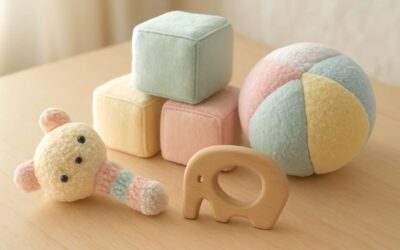
- Manipulation: soft blocks, grasping rings, nest-and-stack cups, and textured balls for careful pincer grip!
- Pretend play: simple kitchenware, toy phones, and pretend food that invite storytelling with a caregiver nearby!
Choose surfaces that wipe clean and materials that stay gentle on little hands as this stage blends motion, touch, and imagination into your home theater of growth.
12 to 18 months: language and social development through play
On rural mornings, 12 to 18 months marks a pivot from babble to shared talk. Language blooms as little ones repeat sounds, point to things, and name familiar faces. Parents often ask: what are good baby toys to nurture these curious conversations?
To support language and social growth, lean into categories that invite talk, listening, and pretend play.
- Talking picture books with simple captions
- Soft hand puppets for back-and-forth storytelling
- Musical shakers and bells that invite shared rhythm
- Mini pretend sets (cafe, shop, or farm stand) for turn-taking
Durability and wipe-clean surfaces matter, especially in homes where everyday life writes its own stories on the furniture. Choose safe textures and sturdy finishes, and watch the small voices in your care turn play into a warm, shared ritual.
Features that define a good baby toy
Safety materials and non-toxic finishes
“Play is the work of childhood,” and in every nursery the right choice becomes a quiet incantation that grows wonder with safety. For South African families, the question what are good baby toys is a pledge to nurture curiosity without risk.
Quality centers on safety materials and non-toxic finishes. Seek water-based paints, plant-based stains, and finishes labeled BPA-free, phthalate-free, and lead-free. Wood should be smooth and splinter-free; plastics should be high-grade with no detachable small parts. Verified by trusted labs and local safeguards.
- Non-toxic finishes that resist chipping
- Durable construction with smooth edges
- Easy to clean and sanitize
Beyond safety, the tactile variety—textures, weight, and ergonomic shapes—invites exploration. I look for what are good baby toys that endure drool and daily play, remaining engaging without sacrificing safety.
Durability, washability, and ease of cleaning
In the steady heartbeat of a South African nursery, a toy that endures becomes a quiet beacon. What are good baby toys? They answer with resilience, inviting daily wonder while weathering drool, muddy feet, and the triumphant toss across the mat!
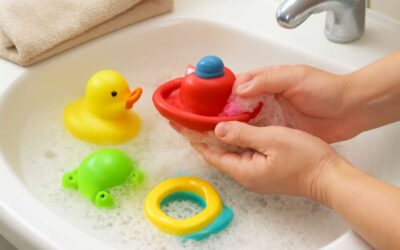
I seek durability, washability, and ease of cleaning to steady the course of what are good baby toys. Surfaces resist chipping, joints flex without wobble, and finishes survive a wipe with soap and water. Simple shapes invite safe exploration and long-lasting affection.
- Durability that withstands teething and tosses
- Washability with wipe-clean surfaces or machine-friendly fabrics
- Ease of cleaning: simple seams and minimal crevices
Quietly practical, these choices let play stay joyful, safe, and endlessly curious.
Sensory richness: sound, texture, and color
Sensory richness is the compass of good baby toys. When you ask what are good baby toys, look for objects that invite sight, sound, and touch in balanced measure. A toy should tempt exploration without overwhelming tiny systems, turning play into a quiet dialogue between creature and world.
Consider these sensory hallmarks:
- Varied textures that are safe to explore with fingers and gums
- Soft, well-tuned sounds or music that reward attention without startling little ears
- High-contrast colors or gentle gradients that spark visual tracking
In South Africa’s warm nurseries, simple, easy-to-clean textures endure, letting families share moments that linger long after the toys are put away. Play becomes a quiet meditation—joyful, safe, and endlessly curious, as little voices map the world with bright, patient attention.
Encouraging exploration without overstimulation
Play is a negotiation between a tiny creature and a world full of textures and light. ‘Less is more’ in practice, a South African playworker reminds us, and I see this every day in South Africa’s nurseries. When you ask what are good baby toys, seek objects that invite hands, eyes, and ears to work together without shouting for attention. A well-made toy offers safe materials, compact form, and intuitive feedback that encourages curiosity rather than constant stimulation.
- Open-ended design that sparks exploration
- Gentle, measurable feedback for cause and effect
- Chunky, safe shapes easy to grip
- Simple, easy-clean surfaces that withstand daily use
These features help exploration flourish in bustling South African homes, keeping play focused and calm.
Portability and compact storage
Bright mornings in South Africa’s nurseries reveal a simple truth: a toy that travels as well as a child multiplies the wonders of play. Portability is more than lightness—it’s a design ethic: toys with built-in handles, compact frames, and clip-on pouches invite adventure without crowding a bag or a shelf. In bustling homes from Cape Town to Limpopo, travel-ready companions turn every errand into a tiny expedition.
- Lightweight, durable materials with a compact silhouette
- Built-in carrying handles or clips for easy attachment to bags
- Secure, wipe-clean finishes and simple closures that survive busy days
Compact storage completes the design. Toys that nest, stack, or collapse to a neat footprint keep rooms serene and toys easy to find. Durable finishes and simple, wipe-clean surfaces survive daily use and the inevitable crumbs of South African kitchens, ready for the next chapter of play. For what are good baby toys, portability and compact storage are not add-ons—they are essentials.
Practical tips for smart toy purchases
Budget-friendly strategies and value buys
One thoughtfully chosen toy can spark a year of curiosity. In South Africa’s diverse nursery aisles, parents weigh safety, durability, and potential for growth. what are good baby toys, after all, but those that invite touch, sound, and movement while staying simple, cleanable, and free of harsh finishes. A few well-chosen pieces can outshine a crowded shelf and honor the quiet luxury of intention.
Budget strategies stretch further when you favor versatility over novelty—toys that adapt as little ones grow, resist quick wear, and clean easily. Seek local artisans and value buys that endure beyond infancy, and consider secondhand finds that are sanitized and safe. With a discerning eye, a handful of timeless pieces can crown your baby’s early years with grace.
Quality checks before checkout (safety labels, age recommendations)
A single, thoughtfully chosen toy can spark a year of curiosity, turning quiet moments into bright discoveries. In South Africa’s nurseries, parents crave items that are safe, durable, and wonderfully simple. Ask yourself: what are good baby toys if not those that invite touch, sound, and movement while staying simple, cleanable, and free of harsh finishes.
Practical purchases hinge on quality checks before checkout, where intent meets assurance. The essentials are visible at a glance—safety labels, age recommendations, and non-toxic finishes.
- Safety labels and certifications
- Clear age recommendations
- Non-toxic finishes
These guardrails ensure you are selecting what are good baby toys that can grow with your child. Beyond labels, durability, washability, and the ability to engage senses without overstimulation matter most in a world of novelty.
Storage, organization, and rotation planning
Across South Africa, a single, thoughtfully chosen toy can seed a year of quiet discovery. “Play is the work of childhood,” a maxim educators echo as they guide purchases. So what are good baby toys? They are those that invite touch, sound, and movement while remaining simple, cleanable, and free of harsh finishes. The aim is tactile variety in tidy doses—enough to fascinate, not overwhelm, and easy to wipe down after every exploration.
Storage, organization, and rotation planning do more than declutter a shelf; they shape how repeatedly a child returns to a familiar object. In practice, a well-curated setup keeps essentials accessible, invites calm transitions, and preserves the integrity of materials even as little hands explore, drop, and discover. I’ve seen how intention guides the arrangement, turning play into a developing dialogue rather than a race for novelty.
Gift-giving strategies and seasonal picks
In South Africa, a single well-chosen toy can seed a year of quiet discovery. As you ask what are good baby toys, you seek items that invite touch, sound, and movement while remaining simple, cleanable, and free of harsh finishes. The aim is tactile variety in tidy doses—enough to fascinate, not overwhelm, and easy to wipe down after every exploration.
Here are practical tips:
- Choose compact, sturdy designs that survive tumbles and drops.
- Prioritise non-toxic finishes and clear age guidance.
- Look for easy cleaning: wipeable surfaces, machine-washable fabrics.
- Prefer toys that encourage more than one type of exploration over gimmicks.
Gift-giving strategies and seasonal picks rely on versatility. For gifts, consider what are good baby toys that travel well and endure a year of exploring, including options from SA retailers. A rattle, a soft fabric book, or a wipe-clean puzzle fits many ages and budgets—tiny talismans that turn everyday rooms into stages for discovery.

0 Comments