Age-by-Age Guide to Baby Toys
Toys for Newborns and Infants Up to 3 Months
At birth, an infant’s visual acuity hovers around 20/400, meaning the world appears as a soft blur of light and dark. In these early weeks, what baby toys actually matter are high contrast objects. Bold black and white pattern cards held roughly 20 centimetres from a baby’s face capture attention because newborn retinas respond strongly to sharp edges.
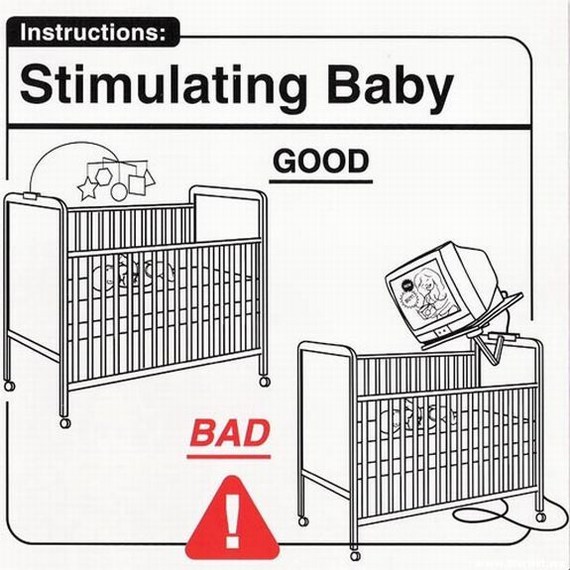
Mobiles with geometric shapes work well when suspended within that narrow focal range. Soft rattles with a subtle sound add auditory stimulation, and textured mats invite early grasping movements. For a newborn, the toy’s value rests in its sensory simplicity:
- High contrast imagery for visual tracking
- Lightweight rattles for auditory response
- Varied textures for tactile exploration
Toys for Babies 3 to 6 Months
By three months, a baby’s visual acuity sharpens to approximately 20/200, and objects at arm’s length finally resolve into distinct forms. The toys that mattered before now demand interaction. What baby toys actually support this developmental leap? Those that reward deliberate movement.
Grasping becomes a primary occupation. Chunky rings sized for small hands encourage voluntary release and transfer between hands. Activity gyms with hanging elements invite batting and swiping, teaching early cause and effect. Teethers with varied surfaces provide oral exploration, a key sensory pathway.
At six months, rolling over changes how toys are accessed. A lightweight fabric ball may roll just out of reach, prompting motion. I find it remarkable how each object becomes a small experiment in control, a test of whether an infant’s actions produce a response.
Toys for Babies 6 to 9 Months
By eight months, babies sit upright and inspect objects with fresh intent. This stage brings a serious upgrade in hand skills. Your little one will rotate, squeeze, and drop everything within reach, then look at you with innocent surprise. Here is the practical question: what baby toys can withstand this rigorous testing?
Stacking cups deliver endless entertainment. They nest, they tower, they crash. Soft blocks with crinkle material or bells add texture and sound. A sturdy drum or shaker invites rhythm practice, usually during your morning coffee.
As mobility increases, you need items that move with your baby or stay just out of reach. A lightweight ball that rolls slowly is a great start. Push toys also help with early cruising.
- Activity cubes with levers and doors
- Simple shape sorters with large pieces
- Squeaky toys for hand strengthening
These options help you choose what baby toys will support the next few months of exploration without cluttering your lounge beyond recognition.
Toys for Babies 9 to 12 Months
Around the first birthday, many babies stand without help and take tentative steps. The previous stage focused on sitting and squeezing. Now the hands work with the eyes in a new way. The practical question remains what baby toys support a baby who is now upright, without taking over your lounge.
Push walkers with weighted bases give stability. A low ride-on toy moves as your baby scoots. Pop-up toys reward a patient finger.
- Pull-along animals with short cords
- Board books with tabs and flaps
- Stacking rings with a curved base
These items encourage squatting, reaching, and releasing objects with intention. The best toys respond to a child’s action: a squeak, a flap, a gentle return. Choose pieces with no small parts, and let your baby lead the play.
Toys for Toddlers 12 to 24 Months
By the second year, a toddler walks, climbs, and reaches. Those first solo steps change how play works. The hands that once squeezed now point and poke. The question of what baby toys matter shifts, because a mobile child needs objects that keep pace with motion.
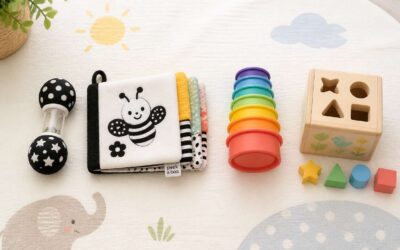
Shape sorters with rounded corners teach trial and error without frustration. Chunky puzzles with knobs invite a thumb and forefinger to work together. A toy telephone lets a child copy grown-up conversation, while a soft ball encourages chasing and throwing.
- Shape sorters with four or five large pieces
- Chunky wooden puzzles with farm animals
- Push-along lawn mowers or shopping trolleys
- Soft balls of different sizes
These items reward movement and curiosity. A toddler will carry a favourite block from the stoep to the kitchen, testing grip and balance. When choosing what baby toys to buy, pick sturdy pieces that survive drops and mouthing, then let the child lead the play.
Best Types of Baby Toys by Developmental Benefit
Sensory Toys That Stimulate Sight, Sound, and Touch
A baby’s brain forms over one million neural connections per second, and the sensory landscape you create guides that growth. Deciding what baby toys to offer means looking beyond colours and noise. The best sensory toys layer experiences so one object stimulates sight, sound, and touch at once!
Think of a soft crinkle book with black and white patterns. The visual contrast catches the eye, the crinkle paper rewards a squeeze, and the fabric invites exploration. A wooden rattle with smooth and ridged surfaces offers different textures. These toys build pathways for learning.
- High contrast picture cards for focused visual tracking
- Rattles with varied textures for tactile discrimination
- Soft mirrors that combine visual interest with gentle sound
Each choice helps a baby connect what they see, hear, and feel. That connection forms the foundation of curiosity. When parents wonder what baby toys will support this, choose those that engage more than one sense.
Fine and Gross Motor Skill Toys
Every grasp, throw, and step rewires a baby’s motor cortex. Fine motor toys like chunky puzzles and nesting cups demand precision, while gross motor toys such as push-along trolleys build balance and strength. Parents searching for what baby toys will boost these skills should watch for movement patterns.
- Stacking rings for hand-eye coordination
- Soft balls with bells for grasping and rolling
- Ride-on vehicles for leg strength
- Activity cubes that encourage pulling up
Each toy targets a specific muscle group. A toddler who can stack three blocks today will grasp a spoon tomorrow. For South African families, look for durable wooden toys that withstand both sandy gardens and tiled floors. The right motor skill toys turn everyday play into measurable progress.
Cognitive and Problem-Solving Toys
Cognitive growth shows up when a baby stops and thinks. What baby toys encourage this? Shape sorters. I have watched toddlers stare at a triangle hole before turning the piece to fit. Pop-up boxes reward a correct press with a satisfying surprise. Matching games stretch memory and attention.
For parents weighing what baby toys offer real problem solving value, open ended options win. A toddler who tries the same block in three holes before succeeding is learning. South African families benefit from sturdy plastic or wood options that survive humid coastal air and dusty Karoo floors.
These toys work well:
- Shape sorters with distinct geometric openings
- Pop-up toys with buttons, switches, and levers
- Simple two piece puzzles
- Sorting bowls with colored balls
Every attempt, even a failed one, builds understanding of how objects relate.
Language and Communication Building Toys
A baby’s first word emerges from many heard sounds. What baby toys speed up that process? Ones that spark conversation. I have seen a simple wooden telephone turn a shy toddler into a chatterbox.
Turn-taking toys like phones and puppets teach the pattern of dialogue. Board books with flaps give parents a reason to pause and name objects. Musical instruments, such as shakers, invite vocalization as a baby copies the beat.
Consider these language builders:
- Photo albums with family faces
- Animal figurines with sound effects
- Stacking cups for storytelling
- Mirrors for self-talk
Each response from a caregiver reinforces a baby’s attempt. In multilingual South African homes, these tools help separate one language from another. What baby toys deliver the deepest linguistic value are those that require a human voice at the other end.
Social and Emotional Development Toys
A baby learns trust before they learn words. That trust forms through responsive care, but the right objects reinforce it. What baby toys build emotional security? Soft dolls and comfort toys serve as transitional objects, giving infants something to hold when a parent steps away.
In South African homes, where extended family often surrounds a child, these toys help babies develop independence within safe bounds. Emotion cards with real photographs introduce naming of feelings. Nesting dolls offer a lesson in separation and return, a core emotional pattern.
Consider these social builders:
- Soft dolls with calm faces
- Comfort blankets with varied textures
- Emotion stones for sorting and naming
A baby who watches a caregiver comfort a doll learns empathy by imitation. I have seen toddlers offer their own comfort objects to crying friends. What baby toys deliver here are not complex gadgets. They are simple objects that encourage closeness, eye contact, and gentle touch.
Baby Toy Safety and Quality Checklist
Non-Toxic Materials and BPA-Free Plastics
There is a quiet menace in the objects we place within a baby’s reach. The South African Bureau of Standards sets stringent requirements, yet many parents remain unaware of what baby toys truly contain beneath their cheerful surfaces. Lead, phthalates, and formaldehyde are not abstract concerns. They appear in certain imports sold at bargain prices.
Quality checklists should begin with material provenance. Wood should be untreated or sealed with water based finishes. Fabric must be certified organic where possible. The most vital step is verifying BPA free plastics, since this chemical disrupts endocrine function even in trace amounts.
Consider the following when inspecting any item:
– Look for the SABS mark or international safety certifications
– Scrape the surface gently with a fingernail; paint should not flake
– Squeeze the toy to confirm no liquid filled parts can burst
A reliable seller will provide documented compliance without hesitation. If they cannot, move on.
Choking Hazard Prevention and Part Size
A standard toilet paper roll serves as the most direct measure of choking risk! Any component that fits inside that circle presents a danger. The overall dimension of the toy matters less than the individual pieces that can break off, hinge open, or be pulled away.
Babies apply relentless pressure to toys. A wooden block that splinters, a plastic wheel that pops off, or a magnet that loosens from its housing all become immediate hazards. The true danger lies in hidden seams and snap-fit parts that seem secure today but fail tomorrow. I have watched a seemingly robust rattle shed its cap after the third squeeze.
Part size forms the core of the safety checklist:
- Check the widest part against a choke tube or toilet paper roll.
- Pull on eyes, noses, and wheels with moderate force.
- Listen for internal rattling inside a hollow shell.
Parents often focus on the exterior, but structural integrity is the key factor. When evaluating what baby toys to bring home, seek single-piece construction with no detachable components. The SABS standards outline specific small-part dimensions, but a home test with a cardboard tube offers immediate reassurance.
Understanding Age Labels and Recalled Toys
Age labels are not decorative suggestions. They represent the manufacturer’s liability and your baby’s safety. A toy rated for three years and up often contains small parts that a nine-month-old can defeat with efficiency. Trust the label, not optimism.
The recall list should be checked regularly. The SA Bureau of Standards publishes updates, but many parents miss them. Before buying, check the online database. A toy that passed inspection last year might be pulled this month. When deciding what baby toys to bring home, search for recalls first.
- Check for a valid SABS mark.
- Verify the manufacturer’s contact details.
- Inspect for small-part warning symbols.
Quality is not about price. A cheap toy with proper certification beats a premium brand with vague labeling. Look for flush seams, chip-proof paint, and sturdy fabric. Label, recall, and construction form the real standard.
Easy Cleaning and Hygiene Considerations
Every toy returns to the mouth. That is the simple rule of infancy. A rattle dropped on a pavement carries more than dust. Studies show that common toy surfaces can hold bacteria for hours. When you decide what baby toys to bring home, washability matters as much as color or sound. Look for materials that survive warm water, mild soap, and the occasional vinegar rinse. Fabric toys should handle a gentle machine cycle. Wooden blocks prefer a damp cloth and thorough air drying. For electronic items, a sealed casing and a quick wipe work best. Here is a practical routine to follow:
- Check the care label before the first use.
- Clean high-contact toys once a day.
- Let everything dry completely to prevent mould.
Storage also affects hygiene. Open baskets allow airflow, while sealed bins trap humidity. Rotate the collection to reduce grime buildup. The real test of any toy is how it survives the mess of childhood. Choose what baby toys you can sanitize without stress and watch them last longer.
Smart Factors to Consider Before Buying Baby Toys
Durability and Long-Lasting Play Value
Parents often ask what baby toys will endure repeated drops and rough handling. Durability begins with construction: double stitched seams, rounded solid wood edges, and mechanisms without fragile springs. A toy that rattles loose within weeks teaches no patience. It simply becomes another broken object. Local humidity and heat can warp cheap plastic quickly.
Long lasting play value matters more than price. A single block can stack, roll, knock down, and later aid counting. The best toys adapt as skills sharpen. Look for open ended designs that invite repetition without boredom. When choosing what baby toys, think about how many games one item can become.
Check these durability markers:
- Bare wood finished to resist chewing
- Fasteners recessed and secured
- Washable fabrics with reinforced seams
A sturdy toy earns its place in the toy box. It holds up to love, drops, and the occasional tantrum. That endurance helps a child learn persistence.
Budget-Friendly and Multi-Purpose Choices
When parents ask what baby toys offer genuine value, the answer rarely sits on the most expensive shelf. A cardboard box, a set of stacking cups, or a simple wooden train can serve a dozen different games across several years. That is the beauty of multi-purpose choices!
Budget-friendly buying means looking for items that grow with a child. A ball becomes a rolling toy, then a target, then a lesson in cause and effect. Fabric books double as teethers and later as story prompts. The trick is to resist single-use gadgets that entertain for a week.
- Check for toys that combine textures, sounds, and movement
- Choose neutral colours that appeal beyond one trend
- Look for pieces that work alone or with other sets
In South Africa, where toy budgets stretch, I see smart parents weigh versatility over novelty. Ask yourself what baby toys will still interest a child next month. The answer points to simpler, sturdier items!
Eco-Friendly and Sustainable Toy Options
Parents often ask what baby toys deserve space in the home, and the smartest answers go beyond flashy packaging. Consider the child’s current stage, but also how a toy will behave in a week or a month. Observe whether it offers open ended play or whether it dictates a single use. A toy that adapts to a child’s imagination holds attention far longer than one with a fixed function. Look for items that encourage investigation without requiring a screen or batteries to function.
Eco-friendly choices are growing in South Africa, and they make practical sense. Materials like sustainably sourced pine, natural rubber, and organic cotton offer safety and longevity. These toys often arrive with minimal packaging and a smaller carbon footprint, which appeals to parents who think ahead.
– Check the source of the wood or fabric
– Avoid toys coated in glossy, unknown finishes
– Prefer items that can be repaired rather than replaced
This approach narrows the list of what baby toys truly earn their place, both in the playroom and on the planet.
Montessori-Inspired and Open-Ended Toys
Choosing what baby toys enter your home becomes simpler when you apply Montessori thinking. This approach favours simplicity, real materials, and child-led exploration. A wooden stacking set or a set of fabric baskets invites a baby to discover at their own pace.
Open-ended toys carry this idea further. They do not demand a single correct use. A set of cotton play scarves can become a canopy, a river, or a hiding place. This flexibility supports focus and independent play. I have seen babies return to the same open-ended piece for months, finding something new each time.
- Consider how many ways a toy can be used
- Watch whether your child returns to it naturally
- Choose natural materials over plastic imitations
South African parents can find beautiful options from local artisans who craft from sustainable pine and organic fabrics. These pieces often feel warmer and last longer than mass-produced alternatives.
Toy Rotation and Managing Your Baby’s Collection
Benefits of Rotating Baby Toys
Staring at the same rattle for weeks can dim any baby’s curiosity! Rotating your child’s playthings revives that interest without buying a single new item. For South African parents managing small spaces, this strategy offers practical relief.
Here is how rotation transforms playtime:
- It prevents boredom by reintroducing forgotten treasures.
- It cuts clutter, making play areas easier to navigate.
- It stretches your budget, since what baby toys you already own feel fresh again.
Simply store half the collection in a closed box, then swap every few days. Babies respond to novelty, so this cycle keeps their engagement high. You will also notice which items truly earn their place, letting you prune weak picks. Rotation gives your collection a longer lifespan.
Simple Toy Rotation Strategies for Parents
South African parents often face a peculiar arithmetic: the fewer square metres, the more toys seem to multiply. Yet I find the real question is what baby toys actually earn their keep. Rotation solves this without a single new purchase.
Start by splitting the collection into three groups. Keep one accessible, one stored, one in transit. Swap every few days. Use this rhythm:
- Store half the toys in a closed container.
- Place the visible group where your baby can reach them.
- Rotate the stored and visible groups on a regular schedule.
This cycle keeps curiosity fresh and reduces clutter. Stored toys become discoveries again! You will learn which items fail the engagement test, pruning naturally.
Signs Your Baby Has Too Many Toys
Watch your baby’s attention span closely. I see this pattern constantly. When every item competes for focus, none of it wins. The child who flits from rattle to block to plush without settling is not exploring. That child is overwhelmed. This is one of the clearest signs your baby has too many toys, and it usually appears long before the clutter does.
Watch for these signals:
- Play sessions end in frustration rather than curiosity.
- Your baby ignores certain toys entirely, even when placed directly in front of them.
- You spend more time picking up items than your baby spends playing with them.
- The visible collection triggers tantrums at transition times.
The question is what baby toys actually serve your baby’s current developmental stage. The rest only distract. Managing the collection means removing what fails the engagement test, not adding more. A smaller, deliberate set creates space for deep play. The extras dilute that focus.

0 Comments