Playthings for the First Six Months
High-Contrast Visual Stimulation
A newborn’s visual cortex is still wiring itself, and stark contrast offers the clearest signals. Those early weeks are about pattern recognition, not pastel charm. This is exactly where high contrast visual stimulation earns its reputation!
For a baby girl, or any infant, black and white cards, striped balls, and bold geometric mobiles cover the essentials. Faces hold attention, but so do checkerboards and concentric circles. I find that simple playthings work best:
- High contrast picture books with single images
- Unbreakable mirrors for self discovery
- Rattles with bold colour blocks
Many baby toys for girls marketed today lean pink and soft, yet babies respond to sharp edges and monochrome prints. Rotating these items keeps the visual field fresh. The goal is offering contrast, not clutter, so the eyes can practice tracking and focus without overload.
Soft Sensory Textures
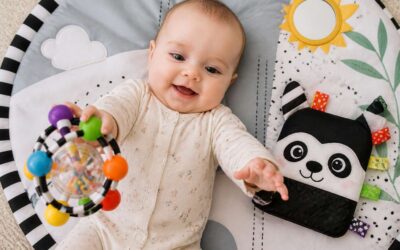
In the first six months, a baby girl’s hands do the learning first. Newborns are born with a grasp reflex, but by eight weeks, those fingers begin to open and explore. This is the season of mouthing, squeezing, and patting. Soft sensory textures become the curriculum: plush blocks, knitted rattles, and fabric books with crinkly pages. These toys for girls, and all infants, deliver a rich tactile diet that wires the brain for fine motor control.
The skin is the largest organ, and every texture sends a signal to the developing nervous system. Consider these essential sensory experiences:
– Silky satin tags for finger tracing
– Velvet-soft plush animals with varied pile heights
– Lightweight cotton rings for easy grasping
– Bumpy silicone teethers with multiple patterns
Nubby textures support teething relief while smooth surfaces invite patting practice. Soft cloth books with embroidered details offer contrast without harshness. Remember that auditory elements also matter; a gentle chime inside a fabric cube teaches cause and effect. Each grasp strengthens hand muscles for later skills like self-feeding and crayon holding. In these early months, the right soft toy becomes a quiet companion for discovery. I have watched babies inspect a textured ball for five full minutes, absorbing every ridge with focused intent. That is learning in its purest form.
Gentle Motor Skill Development
By four months, reaching becomes deliberate. A baby girl swipes at a dangling ring, misses, then tries again until her fingers close around it. This is the beginning of voluntary grasp, and it needs the right playthings to develop.
For gentle motor skill development, choose items that respond to effort. A rattle that sounds when shaken teaches her that movement creates results. An activity gym with hanging toys invites reaching during tummy time.
- Lightweight rattles with slim handles
- Soft balls that rest within her reach
- Wrist bands with bells for arm movement
Every successful grab strengthens the muscles she will later use for self-feeding. The best baby toys for girls in this stage are simple, responsive, and within easy reach. Watch her face when she finally catches that ring. That moment is pure triumph!
Toy Categories for Toddler Daughters
Role-Play and Pretend Sets
A toddler’s imagination is a busy workshop, and the right props turn an ordinary afternoon into a grand adventure. For parents in South Africa, finding baby toys for girls that encourage this creative spark means looking beyond passive entertainment. A simple wooden kitchen or a tiny tool bench invites a child to mimic the bustling world she observes around her, from the neighbourhood spaza shop to the family braai.
This type of play is a serious business for development. When a little girl picks up a plastic stethoscope or a toy cellphone, she is not merely holding an object. She is constructing a narrative, practicing the social scripts she sees every day. This process builds language skills and emotional intelligence as she experiments with different roles.
Consider a few excellent starting points for a pretend play collection:
- A play kitchen with pots, pans, and plastic food items.
- A doctor’s kit with a medical bag, syringe, and bandages.
- A shopping trolley or basket with fabric fruit and groceries.
- A dress-up trunk filled with scarves, hats, and old necklaces.
These toys for toddler daughters do more than just fill a toy box. They offer a safe space for a child to process new experiences, like a visit to the clinic or a trip to the market. Through repetition, she gains mastery over these situations. The conversations she has with her dolls or her imaginary friends are the building blocks of empathy and problem solving, skills that are far more valuable than any flashy electronic feature.
Musical Instruments and Sound Toys
A sudden rattle cuts through the quiet. That is the sound of discovery. For a toddler, every shake of a maraca or press of a xylophone key is a lesson in cause and effect. Musical instruments give a child control over her auditory world.
The right baby toys for girls in this category include:
- A wooden shaker or egg maraca.
- A small drum with a soft mallet.
- A child-sized tambourine.
- A xylophone with a rounded mallet.
These objects reward experimentation. A gentle tap produces a different sound than a hard strike. She begins to recognise rhythm, pace, and volume. I have watched a child repeat a pattern until she masters it, her focus absolute. That repetition builds neural pathways. For parents searching for baby toys for girls, this category delivers lasting value.
Sound toys also teach listening. When she pauses to hear the last note of a bell fade, she is practising attention. What a gift that is!
Building Blocks and Stackers
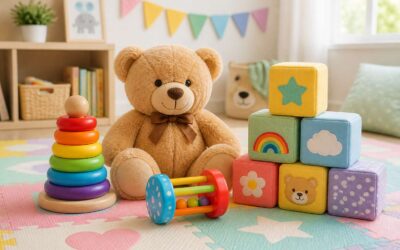
A tower falls. That is the moment of learning. Stacking blocks teaches a daughter about gravity, weight, and alignment. Each placement asks a question: does this fit? The pursuit of balance builds visual spatial processing and seriation skills. Wooden blocks in varied shapes offer the most intrigue. A curved arch, a triangular prism, a plain cube. For parents seeking baby toys for girls, this category holds genuine depth. I have seen a child spend twenty minutes rearranging the same four pieces. That is concentration forming.
- Nesting cups that fit inside one another
- Stacking rings on a wobbling base
- Offset wooden bricks that create unexpected forms
These toys encourage trial and error. The satisfaction of a stable structure is earned.
Art and Craft Supplies
Every crayon stroke on paper is a small act of ownership. A toddler discovers that her hand can leave a permanent trace. Art and craft supplies form a rich category of baby toys for girls, one that rewards effort and accepts mess without complaint.
These materials foster precise finger movements and hand eye coordination. They also introduce decision making. A child chooses between a purple crayon and an orange one, then watches the colour meet the page. This sequence of choices builds patience and attention. I have seen a girl spend ten minutes on a single sticker, deciding where it belongs.
For a simple starter set, offer:
- Washable chunky crayons
- Large sheets of paper
- Non toxic glue sticks
- Safe scissors with rounded tips
Let her explore freely. The smudges dry, the papers get taped to the fridge, and the real accomplishment sits in the child’s own satisfaction.
Skill-Building Through Interactive Play
Language and Cognitive Growth
Language arrives through repetition and surprise. When a toy responds to a small hand with sound or light, the infant begins to map cause to effect. This exchange builds the neural pathways that later become words, then sentences. In South African homes, where many languages share one space, these early moments of interaction carry particular weight.
I have watched a child test the same button seven times. Each press confirmed a small truth. That persistence is cognition taking shape!
Consider toys that invite conversation:
- Soft puppets that encourage call and response
- Simple books with bold facial expressions
- Objects that produce a distinct sound when moved
These tools let a girl name what she sees, one small discovery at a time. The right baby toys for girls support this process with patience and precision.
Social and Emotional Learning
There is a quiet alchemy in watching a child learn to share. The toy becomes a bridge, not a wall. When two small hands reach for the same object, a negotiation begins. The outcome matters less than the moment itself. Baby toys for girls that encourage parallel play, where one child observes another, build the foundations of empathy. These interactions are not always gentle. Sometimes they involve tears, a snatched rattle, a moment of silence.
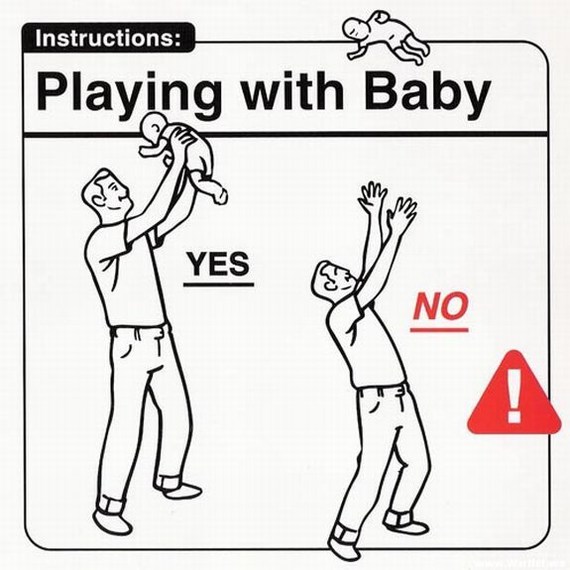
Social and emotional learning is not a lesson. It is a series of repetitions. A child who offers a doll to a sibling and receives a smile has learned something no book can teach. She has learned that her action can shape another’s state. This is the first strand in a web of connection. South African families, with their rich traditions of communal care, often see this process unfold naturally. Extended family members, older cousins, and neighbours all contribute to a child’s understanding of belonging.
Consider the tools that invite interaction, not isolation:
- Soft dolls with distinct features that encourage nurturing behaviour
- Stacking cups that require a second person to pass back and forth
- Rattles with a gentle sound that prompt a child to look at the person holding them
These items shift attention from the object itself to the person sharing it. The space between child and caregiver becomes a stage for trust. A toy that offers no resistance, no need for another hand, teaches solitude. A toy that asks for assistance, that responds to a shared glance, teaches cooperation. The finest baby toys for girls do not merely occupy a child. They invite her into a conversation with the world around her, one small gesture at a time. The learning is slow, repeated, and deeply human. It happens in the pause before a toy is handed over, in the delighted laugh that follows a successful exchange. The certainty of that connection, built moment by moment, becomes the blueprint for every relationship she will ever hold.
Problem-Solving through Puzzles
Puzzle play is a cognitive sprint disguised as a quiet afternoon. For a child, the sight of a piece that does not fit is not a failure, it is a data point. A shape that will not turn, that resists the gentle pressure of a small palm, demands a revision of strategy. This is the first taste of the scientific method, conducted with chubby fingers and a furrowed brow. The best baby toys for girls in this category are not about completing the picture on the box. They are about the stubborn joy of trial and error.
The negotiation happens with the object itself. A child learns that the square peg will not enter the round hole, no matter how eloquent the argument she makes with her fist. She learns to rotate, to compare, to observe the negative space. This spacial reasoning is the foundation of geometry, of architecture, of packing a car boot for a family holiday. South African toy makers understand this urgency, often crafting puzzle boards with local animals and indigenous patterns, turning a lesson into a cultural touchstone. The roar of a wooden lion that fits into its slot is more than a sound. It is a confirmation of a hypothesis.
A good selection of problem-solving toys offers escalating levels of challenge. Consider the progression:
– Single-shape sorters for the beginner who views the block as a mystery to be solved
– Multi-shape boxes that require categorisation and planning
– Simple peg puzzles with a single image that build object recognition
– Sequential stacking puzzles that introduce the concept of order and size
This progression ensures that the toy grows with the child. A one-year-old views a chunky puzzle as a lifting exercise. An eighteen-month-old sees the same toy as a test of alignment. The toy remains the same, but the cognitive demand increases. That is the secret of a quality investment. A static toy is a bore. A dynamic puzzle is a companion.
The process can be chaotic. A child may attempt to hammer a piece into place out of frustration. That reaction is a lesson in emotional regulation. The parent who resists the urge to fix the problem, who allows the struggle to reach its natural conclusion, is teaching resilience. The ensuing success, the piece that finally clicks, produces a satisfaction that a pre-assembled toy cannot replicate. The value is not in the finished image. It is in the mental labour required to achieve it. From the first clumsy attempt to the triumphant final placement, these baby toys for girls build a blueprint for independent thought. They teach a child that the world may not always fit her expectations, but she can alter her approach to make it work. The struggle is the lesson. The solution is merely the reward. In a country known for robust problem-solving in the face of load shedding and complex logistics, this skill is not just academic. It is survival. And it starts with a wooden block and a determined child.
Safety, Materials, and Maintenance
Non-Toxic Material Certifications
Every parent wants to know the toy in their daughter’s hands is genuinely safe. Certification marks like EN71, ASTM F963, and the South African SABS standard provide that assurance. These labels confirm rigorous testing for toxins, sharp edges, and choking hazards. I always look for the CE mark as well, though it does not replace local approvals.
The chosen material determines much of the risk. Organic cotton, natural rubber, and food-grade silicone are reliable choices. They contain no phthalates, BPA, or lead. Wooden toys should have water-based finishes, free from heavy metal paints.
- Clean toys weekly with a damp cloth and mild soap.
- Check for cracks, loose parts, or peeling paint before each play session.
- Dry toys completely to prevent mould.
Regular maintenance preserves the safety of baby toys for girls, making every playtime worry-free!
Avoiding Choking Hazards
Choking hazards hide in the details most parents overlook. A button eye on a plush bunny, a loose rattle bead, or a wooden block that just fits into a curious mouth. For baby toys for girls, I apply the toilet paper roll test, a simple gauge for occlusion risk. That single measurement catches more hazards than any printed warning!
Materials demand scrutiny beyond toxicity. Solid hardwood shapes resist compression better than brittle plastic parts. Silicone teethers work best when moulded as single pieces, never assembled with caps or plugs. Age labels on baby toys for girls carry real weight; a product sized for a three year old becomes a hazard for a nine month old.
The signs of wear show up during play:
- Cracked surfaces or exposed fillings.
- Loose seams that release stuffing.
- Detachable parts that fit through the roll.
Each session leaves its evidence, and that evidence decides whether a toy stays in rotation.
Cleaning and Sanitizing Routines
Seventy percent of a child’s early learning happens through touch, taste, and the relentless investigation of their environment. Safety for baby toys for girls begins with vigilance during active play. A toy that passes inspection on the shelf can transform into a hazard the moment a seam gives way or a hinge loosens. I check every nook, every glued joint, and every painted surface before each session. The real safety feature of baby toys for girls is the parent’s own watchful eye, since even premium manufacturing cannot account for the force of a determined toddler.
Material selection affects more than just initial safety. Hardwood blocks with a food-grade finish survive years of teething and throwing, while plastic components often degrade into sharp shards. I prefer cotton fabrics that withstand repeated washing without losing their shape or revealing hidden fillings. The difference between a toy that lasts and one that fails lies in the quality of its seams and the integrity of its pigments.
Maintenance routines protect the investment in baby toys for girls. I follow a simple sanitation protocol each week:
1. Wash fabric items in hot water with fragrance-free detergent, then air-dry completely before returning them to the rotation.
2. Wipe hard surfaces with a solution of white vinegar and water, allowing them to air-dry naturally.
3. Inspect every toy for signs of moisture damage, which can breed mould inside the padding or hollow spaces.
4. Rotate toys between uses so each piece receives a full drying period.
Clean toys remain safe toys, and the routine keeps the collection fresh for curious hands!
Durability and Quality Checks
A single snapped bead or splintered wheel sends many baby toys for girls to the bin. Durability is a safety feature. I test every purchase before it enters the rotation and repeat those tests as the toy ages.
Hardwood holds up to gnawing and throwing. Cotton webbing and double-stitched seams survive repeated tugging. Plastic components should flex without cracking, and painted surfaces must remain intact after months of play. The true measure of a toy is how it behaves after a hundred tumbles, not how it gleams on the shelf.
My quality checks follow a rhythm:
- Pinch and pull seams and limbs.
- Run fingers over edges for splinters or rough spots.
- Shake the toy to catch any loose parts.
- Bend hinges and joints to confirm they still hold.
These checks keep the collection of baby toys for girls reliable through years of use.
Age-Grade Labeling
The true measure of any plaything lies not in its initial charm, but in the quiet promise of its intended lifespan. Age grade labeling is that promise, a silent specification etched into the packaging of every quality baby toys for girls collection. These markers are not arbitrary suggestions; they are the distilled wisdom of developmental science and safety engineering.
The physical realities of a six month old differ vastly from a two year old. The former explores with their mouth, demanding materials that withstand aggressive gnawing. The latter tests the laws of physics through gravity and force, exposing weaknesses in construction. An age label guides the shopper past the trap of a beautiful but fragile toy. It signals that the materials have been selected for the specific stress of that developmental window. A plush doll for a toddler must have embroidered features, not plastic buttons, a decision that silently prevents a choking hazard.
This labeling also dictates the complexity of maintenance. Younger age groups require simpler, airtight designs for hygiene. Older age groups can accommodate intricate parts that demand more careful cleaning. The parent becomes a custodian of the toy’s integrity, understanding that the label is a roadmap for care. In a market overflowing with choices, the age grade is a beacon of clarity. It is the manufacturer’s admission that a toy is not just a product, but a participant in a child’s formative journey. For parents choosing baby toys for girls, this label is the first and most vital filter, a declaration of intent that ensure both safety and developmental synergy. I treat it as a binding contract between the maker and my home, a promise that the toy will meet the moment without fail.
Gift-Giving Ideas for Special Occasions
Personalized Keepsakes
Gift giving for a special occasion involves more than selecting something practical. In South Africa, families often celebrate milestones like a baby shower or the first Christmas with thoughtful presents. Personalized keepsakes stand apart because they carry meaning beyond the object itself.
For baby toys for girls, a custom embroidered blanket or a wooden puzzle engraved with her initials transforms a simple item into a family heirloom. The child may not understand the significance now, but the parents will appreciate the effort behind the choice.
- A sterling silver rattle with birth date
- A personalised growth chart with handmade markers
These gifts require planning, yet the result demonstrates the giver’s sentiment. They connect the present moment to future memories, a simple function that carries through years of celebrations.
Subscription Boxes for Monthly Delivery
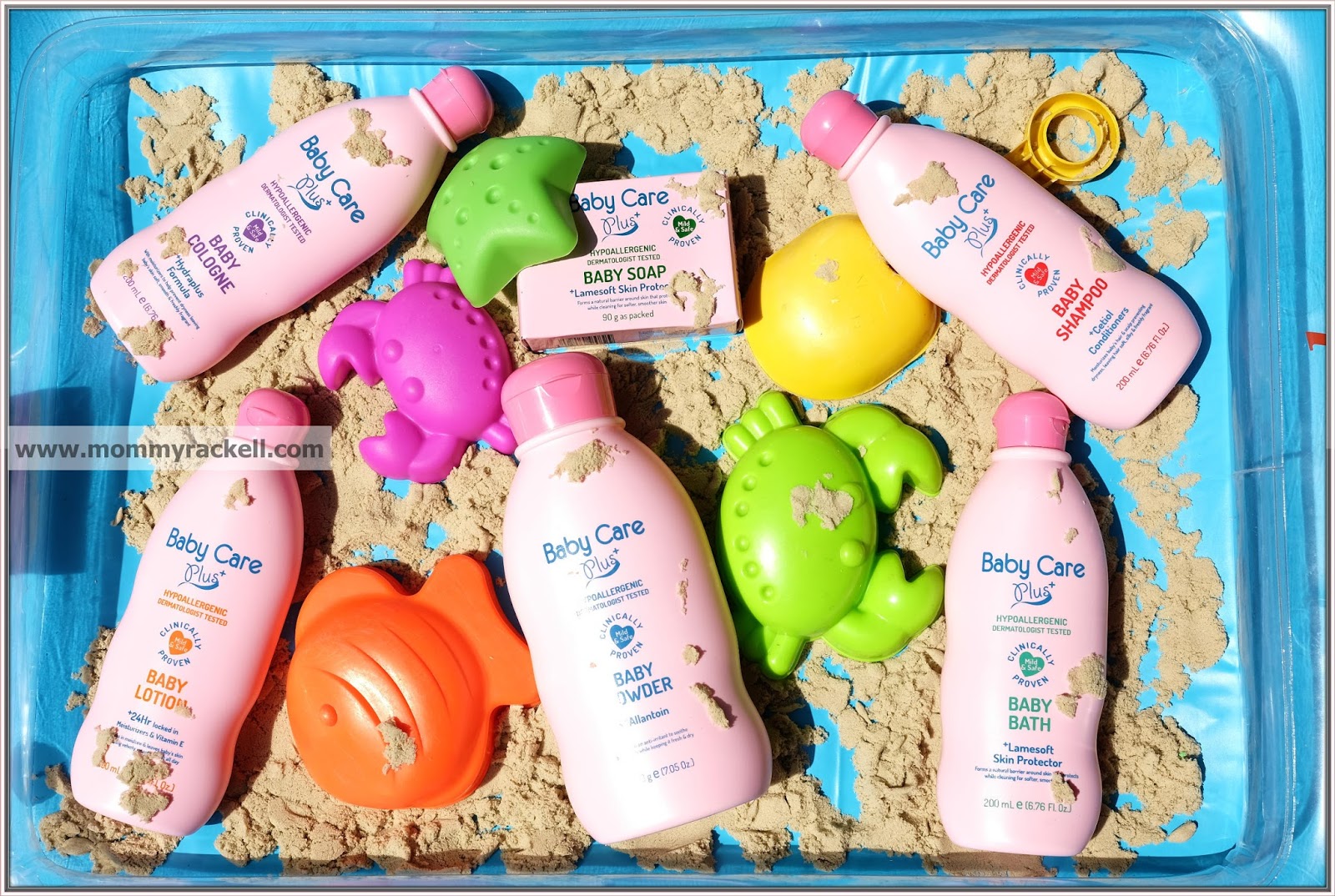
The best gift for a new parent often anticipates what they will need next month, not just what they need today. Subscription boxes offer a unique solution by delivering curated baby toys for girls directly to a doorstep in Johannesburg, Cape Town, or anywhere in between. Each parcel becomes a small event, a moment of surprise that breaks up the routine of early parenthood.
These services remove the stress of constant shopping. Instead of wandering aisles wondering what is age appropriate, a specialist selects the items. The curation often focuses on developmental stages, ensuring the toys are not only entertaining but also relevant to the child’s current growth phase. This is particularly useful for family members who live far away and want to contribute meaningfully to a child’s development from a distance.
A typical delivery might include:
– A tactile soft book with crinkle pages for sensory discovery.
– A teething ring made from natural, food-grade silicone.
– A small, stackable set of cups that encourage hand-eye coordination.
– A simple rattle with a textured grip for little fingers.
The true value lies in the consistency. A box arriving every month turns a simple purchase into an ongoing relationship with the child. It offers a reliable stream of new stimuli that keeps a baby engaged and curious. For the giver, it is a way to stay connected to the child’s evolving interests without needing to guess at sizes or trends. It is a practical, thoughtful approach to gifting that keeps giving long after the initial celebration has passed.
Educational Options for School Readiness
Some gifts carry an unspoken weight. For a christening, a first birthday, or a family gathering in Durban, the chosen item becomes part of the child’s story. A thoughtful selection for special occasions moves beyond the ordinary. It considers the event’s significance while offering something the child will actually use. A handcrafted wooden puzzle or a beautifully illustrated storybook becomes a lasting memory, not just another package to be opened and forgotten.
In my experience, the most successful presents for these milestones are those that encourage interaction between the child and the adults present. A set of beautifully designed nesting dolls or a simple shape sorter invites a grandmother to sit on the floor and play. It creates a moment, a shared experience that a plastic, battery operated gadget cannot replicate. The focus shifts from the noise of the toy to the quiet connection it fosters.
Beyond the celebration, there is the matter of preparation. The transition to preschool and formal learning is a significant step. Selecting baby toys for girls that subtly introduce foundational concepts can ease this path. These are not rigid educational tools, but rather play items that naturally foster early literacy and numeracy.
– Magnetic alphabet letters for the fridge, encouraging letter recognition during meal times.
– A set of picture cards with simple words and matching images to build vocabulary.
– A colourful abacus with large, smooth beads for introducing counting and basic patterns.
– A felt board with shapes and characters to promote storytelling and sequencing.
These options build confidence. They allow a child to practice skills at her own pace, turning abstract ideas into tangible, hands-on experiences. The goal is to equip her with a sense of curiosity and capability before she walks into a classroom. The right toy at this stage is a quiet investment in her future learning.
Outdoor and Active Play Equipment
There is a particular joy in watching a child discover the world beyond the walls of a home. The anticipation is tangible as a toddler gazes at a new tricycle or a set of chunky sidewalk chalk. We often focus on the intellectual benefits of play, but the physical realm offers its own language of growth. For a birthday in Johannesburg or a family picnic in the Cape Winelands, active play equipment provides a welcome change of pace.
The selection of outdoor toys deserves as much consideration as any shelf-bound alternative. A well-chosen item encourages a child to test her boundaries, to leap, to run, and to explore her environment with confidence. These gifts are not merely about expending energy; they are about mastering the body. Consider the quiet determination on a child’s face as she navigates a small wooden balance beam or steers a pedal car around a garden path. These are the moments where spatial awareness and motor planning are honed.
– A compact, foldable slide for the backyard, offering endless runs and the thrill of speed.
– A set of durable, colourful bean bags for target practice and hand-eye coordination.
– A ride-on wagon with a sturdy handle for parental towing and playful cargo.
– A gardening starter kit with child-sized tools to nurture a connection with the soil.
The Durban climate, with its generous sunshine, invites a life lived outdoors. Selecting baby toys for girls that celebrate this environment is a gift of experience. A simple splash pool can become a scene of raucous laughter and sensory delight, cooling little toes while teaching the concept of cause and effect. These presents are a call to adventure, a way to build memories that are felt in the muscles and the spirit, not just observed from a couch.
Storage and Organization Solutions
A birthday or christening gift should acknowledge the ceremony of the moment. Yet the best baby toys for girls often become part of daily rhythm rather than a single celebration. I find that parents appreciate gifts that respect their living space. A toy that arrives with no clear home creates friction.
Consider the cabinet space in a Johannesburg apartment or a Cape Town cottage. Storage and organization solutions transform a thoughtful present into a sustainable one. When you choose baby toys for girls for a special occasion, pairing them with a wooden toy chest or a set of labelled fabric bins gives a child agency to manage her own belongings. This quiet ritual of tidying becomes part of the play cycle.
For special occasions, I might suggest:
- Stackable canvas baskets that fit on nursery shelves
- A low, open shelving unit for displaying current favourite toys
- Clear, lidded containers for rotating seasonal play items
The gift becomes twice as valuable when it respects the home it enters.
Eco-Friendly and Sustainable Brands
When the occasion calls for something ceremonial, eco-friendly and sustainable brands offer a way to celebrate without the guilt. Parents in South Africa increasingly ask about the provenance of their baby toys for girls. They want to know if the timber came from a managed plantation or if the dyes will survive teething.
Sustainable options often mean wooden rattles, organic cotton dolls, or stackers made from recycled materials. Local artisans in Cape Town and Johannesburg produce these in small batches. Such a gift carries a story. It is not mass produced for a disinterested shelf.
- Handcrafted wooden puzzles from local carpenters
- Organic cotton sensory balls with natural dyes
- Upcycled fabric activity books
For a christening or a first birthday, these choices signal thoughtfulness. The child gets a durable item. The parents get a piece that aligns with their values. The planet gets a break from another flashing contraption.

0 Comments