Nutrition Essentials
Breastfeeding Benefits
The initial milk, colostrum, contains a higher concentration of secretory immunoglobulins than any follow-up blend. Those proteins lay a microscopic shield across the newborn’s gut lining before a single breath of hospital air arrives. For practical baby health care, this first dose is the oldest unchanged formula on earth.
During one single feeding, milk changes. It begins watery to quench immediate thirst, then transforms into stout strings of fat for sustained energy. This is impeccable chemistry. The brain of the infant gets the building blocks in real time.
Observe the variations across a 24 hour window:
- Morning milk offers a lower melanin profile to stimulate wakefulness.
- Night feedings contain higher nucleotide content to signal a deep sleep state.
- Samples of the mother’s saliva notify the milk to improvise antibodies for a specific current pathogen.
That real time modification is why South African clinics promote this method as primary infant health care. It adapts to the daytime, the season, and the need of the child. No powder manufacturer can match that thoroughness.
Formula Feeding Guidelines
Formula feeding carries its own arithmetic. Every scoop holds a measured promise, yet the calculation begins before the tin opens. South African pediatric guidelines recommend iron-fortified formulas for the first twelve months, a standard that addresses the high prevalence of iron deficiency. The mixing ratio, one level scoop per 30 milliliters of boiled water, is the first lesson in baby health care.
Water temperature matters. Boiling kills contaminants, but formula left in scalding water loses thiamine. Cool to 40 degrees Celsius before measuring. Prepare each bottle fresh, never reheated, since standing milk invites bacterial growth.
Reading labels requires attention. Look for arachidonic acid and docosahexaenoic acid listed separately. These fatty acids support cortical development.
- Follow the scoop provided, not household spoons.
- Discard unfinished bottles after one hour.
- Sterilize all equipment until six months.
The tin’s instructions provide a baseline. Pediatricians can adjust quantities for growth spurts. This is the quiet vigilance that defines baby health care.
Introducing Solid Foods
The first solid meal happens exactly once, and no examination room predicts how it will unfold. At around six months, the tongue thrust reflex fades, and the gut begins producing the enzymes needed to process something other than milk. This transition is where baby health care proves itself, because the choices made in these early spoonfuls shape long term eating patterns.
South African guidelines recommend iron rich foods first, since stores built in the womb deplete by six months. Mashed liver, puréed beans, and fortified baby cereal fill that gap. Introduce each new food alone, then wait three days before adding another. The discipline feels slow, but it isolates reactions with precision.
- Cooked pumpkin and butternut offer beta carotene.
- Soft avocado provides healthy fats.
- Finely minced chicken or fish adds protein.
Watch for signs of readiness. Sitting upright with minimal support, showing interest in food, losing the tongue thrust reflex. Solid food before four months endangers immature kidneys. Wait until the infant signals readiness. This quiet observation defines baby health care in the weaning period.
Common Allergens and Food Safety
Almost one in ten infants worldwide develops a food allergy in the first two years. That figure gives baby health care a practical urgency during weaning. The triggers are few and well known:
- Cow’s milk and dairy
- Eggs and egg products
- Peanuts and tree nuts
- Fish and shellfish
- Wheat and soy
Research shows that early introduction, around six months, lowers allergy risk for peanuts and eggs. Delaying exposure past ten months does the opposite. Food safety runs parallel. Cook eggs and minced meat thoroughly. Refrigerate prepared purees for no more than 48 hours. Use separate cutting boards for raw meat and vegetables. These practices matter in South African homes.
Hydration Needs by Age
A newborn is roughly 75 percent water. That makes hydration less of a suggestion and more of a biological requirement. Breast milk and formula already carry enough water for the first six months. Extra water before then can overwhelm tiny kidneys, so resist the urge.
From six months onward, small sips of cooled boiled water become acceptable. The amount is modest, a few tablespoons with meals. Toddlers need about four cups of total fluid daily, but that includes milk and soups.
- Birth to 6 months: hydration via breast milk or formula only
- 6 to 12 months: 60 to 120 ml of water per day
- 1 to 3 years: roughly 800 to 1000 ml total fluid
In a hot place like Durban, babies lose water faster. Baby health care means watching for dry nappies or a sunken fontanelle. Baby health care also means trusting that a wet nappy every four to six hours tells you more than any app ever will.
Sleep and Rest
Newborn Sleep Cycles
Newborns spend nearly 80% of sleep in active REM, the phase where dreams occur. That might sound like chaos! Yet it fuels rapid brain development. Your baby’s sleep cycle runs about 45 to 60 minutes, far shorter than an adult’s 90 minute cycle. These cycles alternate between quiet and active sleep, with brief awakenings in between.
Each cycle matters for baby health care. I remember those early weeks when every stir felt like a call to action. You might notice twitching, irregular breathing, or fluttering eyelids during active sleep. This is the nervous system wiring itself.
- drowsiness
- active sleep with eye movements
- deep quiet sleep
- a light transition phase
Understanding this rhythm helps you respond appropriately without overstimulating. Resist the urge to lift your baby at every noise. Sometimes they resettle on their own.
Establishing a Bedtime Routine
According to a 2022 study, infants with consistent bedtime routines fall asleep 30% faster. This matters for baby health care because routine signals the brain to transition from active REM to deeper quiet sleep. A predictable sequence, repeated nightly, anchors your baby’s circadian rhythm.
Consider these elements for your routine:
- a warm bath
- a gentle massage
- a quiet lullaby
- a dimmed room
Each step should last no more than ten minutes. The key is consistency, not perfection. When you repeat the same order every evening, your baby learns to associate these cues with rest. This reduces night wakings and supports emotional regulation. Your presence and calm voice become the strongest sleep signal. Over time, the routine becomes a familiar pattern, easing both your baby and you into a peaceful night.
Safe Sleep Practices
Safe sleep is an exercise in subtraction. The cot should hold only a firm mattress and a fitted sheet. In South Africa’s varying climate, the pull to add blankets is strong, yet loose bedding remains a leading risk. The empty cot is not barren; it is deliberate.
Back to sleep, every sleep. This single position reduces risk significantly. Room sharing for the first six months offers a protective buffer while keeping bed sharing out of the equation.
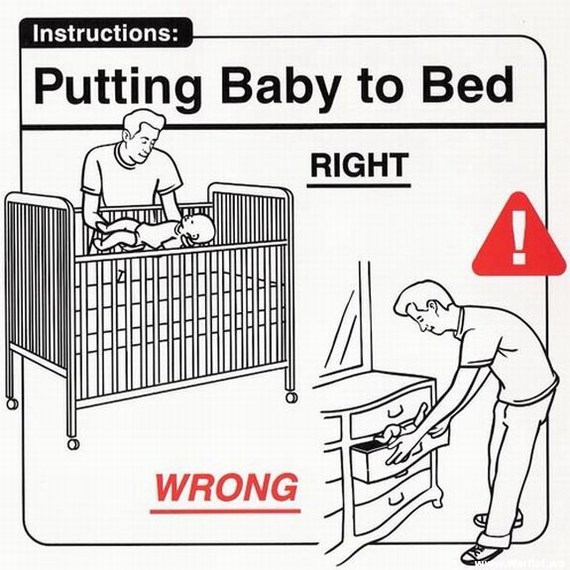
- Place baby on their back
- Use a firm, flat mattress
- Keep soft objects and loose bedding out
- Avoid overheating
These actions are unglamorous and repetitive. They form the quiet foundation of infant safety, a daily discipline that matters deeply in baby health care. Each night, you choose the deliberate over the convenient, and that choice is everything.
Dealing with Night Wakings
Night wakings are not a failure of routine or a sign that something is wrong. They are the body’s quiet architecture, a rhythm as old as parenthood itself. In rural South African homes, the sound of a baby stirring at 2 a.m. is often met with a lullaby rather than a lecture on sleep training. The truth is, most infants wake for reasons that are simple to address: hunger, a wet nappy, or the need for closeness.
Consider the pattern of a typical restless night:
– The first waking often occurs about three hours after the last feed.
– The second may align with a lighter sleep phase around midnight.
– The third can arrive just before dawn, when sleep is shallowest.
These wakings are not random. They follow the infant’s internal clock, which matures slowly. Responding promptly, without turning on bright lights or engaging in play, helps the baby learn that night is for rest. A steady hand on the back and a soft whisper are enough. This understanding sits at the heart of baby health care, where gentle responsiveness matters more than rigid schedules. Every night is a lesson in patience, and every returned slumber builds trust.
Napping Schedule by Age
Napping schedules shift with alarming speed. A newborn might sleep sixteen hours a day, while a one year old fights a single afternoon nap. Parents adapt, or they lose their minds.
Here is the typical arc:
- Newborns: four to five naps, irregular and unpredictable.
- Four months: three naps, with longer night stretches.
- Six to nine months: two solid naps, morning and afternoon.
- Twelve months: one afternoon nap, defended fiercely.
Each transition brings protest. The rhythm emerges anyway. This is where baby health care meets patience. Watch for sleepy cues, not the clock. A tired baby becomes cranky, and a cranky baby makes everyone miserable.
Signs of Sleep Regression
Every parent recalls the exact night their baby’s sleep turned sour. The four month regression feels like a betrayal, yet it is as predictable as the afternoon thunderstorm in Johannesburg. This disruption happens because your baby’s sleep architecture is maturing. They begin to experience lighter sleep cycles, which makes them stir more often.
Spotting the signs early is a cornerstone of baby health care. Watch for these behaviours:
- Sudden refusal of the morning nap
- Waking after just one sleep cycle
- Increased clinginess during the day
- Fierce fussiness before bedtime
These signals last two to six weeks. Most parents mistake them for hunger or teething. A sleep regression is temporary, but your response shapes future habits. Recognise the pattern and hold steady. This patience forms the backbone of effective baby health care, and the calm eventually returns.
Immunization and Prevention
Recommended Vaccines by Age
South Africa’s Expanded Programme on Immunisation reaches about 80 percent of infants, yet rural districts still show worrying gaps. A newborn’s first clinic visit usually happens within days of birth, when BCG and oral polio drops offer early protection.
By six weeks, the six-in-one vaccine, pneumococcal conjugate vaccine, and rotavirus drops add further protection. The schedule follows a set pattern:
- Birth: BCG, oral polio vaccine
- 6 weeks: six-in-one, pneumococcal, rotavirus
- 14 weeks: second doses
- 6 months and 12 months: measles doses
Rural mothers know these dates by heart. They carry a Road to Health booklet, wait in long queues, and hold a crying baby through the quick pinch. Missing a window leaves a child exposed to preventable outbreaks. Immunisation is essential baby health care, and each clinic visit quietly protects the whole village.
Managing Vaccine Side Effects
The needle is out, the crying fades, and then the watch begins. Most side effects are mild: a warm lump at the injection site, a slight fever, a fussy night. These signs mean the immune system is learning, not failing. Managing them well is a core part of baby health care.
Keep the room cool and offer extra breastmilk or formula. A clean, cool cloth soothes the injection spot. Paracetamol in the correct dose is safe for babies older than two months, but only after a health worker advises it. Aspirin and over-the-counter mixtures stay off-limits.
- Breathing difficulty, hives, or persistent crying for more than three hours need urgent attention
- A fever above 39°C requires a call to the clinic or emergency line
Serious reactions occur in about one in a million doses. The Road to Health booklet helps track each response. These small pains build a shield that lasts years.
Importance of Herd Immunity
When a toddler receives a vaccine, that protection extends beyond the child’s own body. Herd immunity operates as a community-level defence. In South Africa, measles transmission slows when roughly 95% of the population is immunised. This threshold matters because some infants cannot receive vaccines early in life, and some children have conditions that weaken their immune responses. Their safety depends entirely on the immunity of those around them.
The layers of protection include:
- Infants too young for vaccination
- Children undergoing cancer treatment
- Pregnant women and elderly relatives
Each vaccinated child lowers the chance that a disease will find a host. A high coverage rate in the clinic catchment area is the goal. Herd immunity remains a central pillar of baby health care, measured not in individual responses but in neighbourhood silence during outbreak seasons.
Common Health Concerns
Recognizing Fever in Infants
The skin of a feverish infant can feel like sun-warmed river stones, a distinct tactile shift that alerts a mother’s instincts before any thermometer confirms it. We move from the soft fabric of routine to a state of heightened awareness, where every breath is counted and every cry is decoded. A fever is not an illness itself, but a herald, a signal that the body’s defences are engaged in a silent battle. The normal temperature for a baby can fluctuate, so a true fever is generally considered a rectal reading of 38°C or higher.
To quantify this heat accurately, parents must become skilled observers of their child’s condition. The method of measurement is crucial for reliable baby health care, and it changes the story we tell ourselves about the severity of the situation.
1. A rectal thermometer remains the gold standard for infants under three months of age.
2. Axillary readings, taken in the armpit, offer a convenient but less precise approximation.
3. Tympanic measurements, from the ear, are only accurate after six months of age.
The real concern lies not in the number itself, but in the narrative that accompanies it. Lethargy, a high-pitched cry, or a rash that does not blanch under pressure are signs that the fever is more than a simple skirmish. The delicate choreography of a newborn’s life is easily disrupted, and a fever in a child under two months is a red flag demanding immediate clinical evaluation. This vigilance is the cornerstone of preventative baby health care, transforming parental anxiety into prompt, measured action.
Colds and Nasal Congestion
Nearly 80% of infant colds stem from viruses. A blocked nose can turn a feeding session into a struggle. A baby’s nasal passages are narrow, so even mild swelling creates noticeable distress. Over-the-counter remedies are rarely suitable for infants. Gentle suction with a bulb syringe and warm saline drops provide safer relief.
Watch for these warning signs:
– Laboured breathing that pulls at the ribs.
– Lips turning blue around the mouth.
– Refusal to feed for more than two consecutive feeds.
These indicators require immediate medical assessment. Cold symptoms typically fade within a week, yet hydration and frequent burping maintain comfort. Prioritising consistent baby health care reduces complications from secondary infections.
Digestive Issues and Colic
A crying spell that lasts three hours tests any parent’s patience. Colic and digestive discomfort often trace back to an immature gastrointestinal tract. The gut is still learning to process milk and produce the right enzymes. This explains why many babies squirm, pass gas, and draw up their legs during feeds.
Gas builds up when swallowing air during feeding. Burping frequently and holding the baby upright after meals can ease pressure. Some infants respond well to gentle tummy massages or bicycle leg movements. Watch for these signs that suggest more than typical colic:
- Vomiting after every feed
- Blood in the stool
- Failure to gain weight
These symptoms require a doctor’s review. Remember that baby health care involves responding to each cry with patience and observation.
Skin Rashes and Irritations
The skin is the body’s largest organ, and for a newborn it is also the most vulnerable. In South Africa’s warm climate, a baby’s skin barrier is still forming, which means reactions happen quickly. Heat rash appears as tiny red bumps when sweat glands block. Diaper rash develops when moisture and friction meet. These conditions are rarely dangerous, but they demand attention. Common irritants include:
– Soap residue left on clothing
– Synthetic fabrics that trap heat
– Saliva or drool pooling on the chin
Redness that spreads, weeping sores, or a rash accompanied by fever warrants a doctor’s visit. Baby health care is about reading these signals before they escalate into something more serious.
Growth and Development
Physical Growth Markers
By a baby’s first birthday, birth length often grows by 50%, a pace that defines early childhood. Physical growth markers such as weight, length, and head circumference are the primary indicators of development.
These measurements gain meaning when plotted on the Road to Health Chart, a familiar tool for South African parents. Percentiles help clinicians see patterns, not absolutes. For example:
- Head circumference expands by roughly 12 centimeters in twelve months.
- Length increases about 25 centimeters, often in spurts around six weeks and four months.
- Weight commonly triples by the first birthday.
A temporary slowdown in these markers can accompany teething or a mild illness. Regular tracking within baby health care distinguishes normal variation from issues needing attention. What a gift that clarity brings!
Cognitive Development Milestones
Cognitive milestones follow their own timeline. A three month old tracks a face with intent. By six months, object permanence emerges; the world exists beyond sight. The mind begins to hold memories, preferences, and small certainties.
Watch for the daily signs of growing awareness:
- Imitating facial expressions around four months.
- Responding to their own name by seven months.
- Finding hidden toys after nine months.
- Using simple gestures like waving by twelve months.
For parents and clinicians, recognising these patterns is central to baby health care. South African clinic visits pair these observations with growth measurements, completing the developmental picture. Not every child follows the same schedule, but the sequence remains consistent. What a comfort this consistency provides!
Social and Emotional Cues
The first social smile appears around six weeks, yet no amount of preparation softens its effect. A mother in Gqeberha might describe how her baby’s eyes lock onto hers, then break into a grin that seems directed at the world. In baby health care, such moments carry diagnostic value. They signal the emergence of joint attention and emotional reciprocity.
- Eye contact with a caregiver by eight weeks.
- Reciprocal vocalisation alongside a smile by four months.
- Preference for familiar faces, with obvious discomfort around strangers, by seven months.
- Showing off a new skill, like clapping, and waiting for applause by twelve months.
Each milestone reveals a child’s capacity to read social situations and adjust behaviour accordingly. A clinic visit in Soweto or Stellenbosch often includes observations about how the child reacts to being left with a nurse, or whether the infant reaches for a parent when frightened. These reports, subtle yet telling, form the foundation of infant mental health.
Language Acquisition Stages
By six weeks, a newborn’s cry begins to differentiate. A mother in Durban notices a hunger cry that sounds different from a tired cry. This prelinguistic phase shapes the vocal tract.
Between four and six months, babbling emerges. Repetitive syllables like “ba-ba” or “ma-ma” show motor control of the jaw and tongue. In baby health care, delays often surface here first. In multilingual South African homes, babies absorb the rhythm of isiXhosa, Afrikaans, or English before they understand words. The babble takes on the tone of the household.
- Babbling with consonant-vowel combinations by six months
- Pointing or waving with intent by ten months
- First meaningful words around twelve months
Receptive language develops ahead of expressive language. A baby health care visit often surprises parents when a nurse checks whether the child follows a simple command like “give me the cup.” Understanding precedes speaking by several months. Vocabulary grows slowly, then in leaps.
Fine Motor Skills Progress
There is something almost mysterious about the way a baby’s hand learns to obey. Between seven and nine months, the clumsy palmar grasp gives way to the pincer grip. A baby in Durban picks up a single grain of rice, thumb against forefinger, and the trajectory of their independence shifts.

In practice, we see fine motor progress in baby health care through small observations. Does the child transfer a toy from one hand to the other? Do they bang objects with intent? By twelve months, many infants stack two blocks or hold a crayon in a fisted grip.
- Three to four months: reaching and swiping at objects
- Six to seven months: raking grasp, transferring items
- Nine to twelve months: pincer grasp, releasing objects deliberately
These movements build neural pathways that later support self-feeding and writing. A baby health care professional watches these skills and sees the child’s independence taking shape.
Gross Motor Skills and Movement
A baby’s first roll often surprises everyone, including the baby. In baby health care, rolling typically appears between four and six months, followed by independent sitting by eight months. Each new position exposes the infant to a wider view of the world and strengthens the neck, back, and abdominal muscles.
Movement happens in stages. Some infants crawl, others bottom-shuffle, and a few skip crawling entirely. Between nine and twelve months, most babies pull themselves to standing and begin cruising along furniture. First steps usually arrive around the first birthday.
- 4 to 6 months: rolling over both ways
- 6 to 8 months: sitting without support
- 9 to 12 months: pulling up and cruising
- 12 to 15 months: walking independently
Gross motor progress also affects digestion, bone density, and spatial awareness. In our practice, a baby health care visit always includes checking these milestones against expected ranges.




0 Comments