Foundational health essentials for babies
Immunizations and routine pediatric visits
In the delicate first year, one well-timed vaccination can echo through a lifetime. A seasoned South African pediatrician says, “Prevention is the engine of health.” That mindset anchors baby health and safety essentials, where every clinic visit quietly builds resilience and trust between family and caregiver.
Foundational care centers on immunizations and routine pediatric visits, turning checks into guardianship. Each scheduled vaccine and growth check helps families see patterns, address concerns, and keep pace with a developing child.
- Keep the immunization schedule handy and know upcoming doses.
- Carry the baby’s vaccination card to every visit.
- Note growth, feeding, and safety questions for discussion.
Across South Africa, these elements weave into the fabric of baby health and safety essentials, where clinics, nurses, and families collaborate to nurture a healthy start.
Growth monitoring and preventive care
Growth is the quiet architect of health, and in the first year, every centimeter matters. In South Africa’s clinics and homes, growth monitoring and preventive care stand at the core of baby health and safety essentials, guiding families with a gentle hand.
Regular checks on weight, length, head circumference, and developmental milestones become a living map—one that helps caregivers notice patterns, answer questions, and maintain a steady pace with a growing child. The aim is not alarm but assurance, a chorus of routine care that builds trust between family and clinician.
- Observations of weight trends, length progress, and head circumference
- Milestones and developmental patterns noted over time
- Feeding patterns, hydration signals, sleep safety, and environmental cues recorded
In this tapestry, growth monitoring and preventive care weave together with clinics, nurses, and families to secure a robust start for every South African baby, a cornerstone of baby health and safety essentials.
Vital signs awareness and early warning signs
Vital signs are tiny alarms—the baby’s heartbeat, temperature, and breathing whisper louder than big cries in a quiet room. “Tiny signs, mighty signals,” a South African pediatric nurse likes to say, reminding parents that early recognition keeps little ones safe and steady.
Vital signs to track include temperature, heart rate, breathing rhythm, skin color, hydration, and responsiveness. Early warning signs—persistent fever, poor feeding, lethargy, rapid breathing, or dehydration—are red flags clinicians monitor. These checks are foundational to baby health and safety essentials in South Africa.
- Regular temperature checks at rest and after feedings
- Observing breathing rate and effort
- Noting skin color and mucous membranes
- Monitoring feeding tolerance and urine output
- Assessing alertness and responsiveness
A neat habit emerges: daily vitals literacy becomes part of the household language—the family, clinic, and community all benefit.
Vitamin and supplement considerations for newborns
Vitamin and supplement considerations form a quiet pillar in newborn care. In South Africa, vitamin D support is commonly discussed for breastfed babies to help bone health, while formula-fed infants receive nutrients through fortified feeds. “Tiny supports, mighty safeguards,” a South African pediatric nurse likes to say, reminding parents that early nutrient awareness matters.
Beyond vitamin D, a simple framework helps families navigate supplements under clinical guidance. Considerations revolve around birth weight, health status, and feeding tolerance. This approach sits at the heart of baby health and safety essentials in South Africa.
- Vitamin-related nutrients commonly discussed for newborns
- Iron status and growth considerations for early infancy
- Probiotics or specialty supplements only with professional advice
Safe sleep and crib safety
SIDS prevention and safe sleep practices
In the hush of a nursery, safety is the backbone, not a luxury—I’ve seen how quickly warmth can become worry. SIDS remains a sobering concern, and safe sleep practices anchor the idea of baby health and safety essentials in daily life.
- Hazard-free sleep area with minimal clutter
- Firm, flat sleep surface in good condition
- Steady caregiver supervision during rest
These principles align with South African homes and remind us that baby health and safety essentials thrive when vigilance meets compassion.
Crib safety guidelines and mattress safety
“A safe sleep space is a daily act of love,” a South African nurse often says, and she’s right. When the crib is a fortress of clarity—no clutter, no soft bedding—the nursery becomes a guardian for little dreams and tiny sighs, a cornerstone of baby health and safety essentials.
Crib safety guidelines and mattress safety start with the fit: a firm, flat mattress in good condition, snug within the crib, with no more than a finger’s width of gap. The area should be free from pillows, bumpers, cords, or loose textiles that could creep toward tiny noses. For South African homes, choose a crib certified for safety and ensure slats are close enough to prevent a head or limb from slipping through.
- Snug, firm mattress that fits the crib with no gaps
- Slat spacing no more than 6 cm (about 2 3/8 inches)
- No pillows, bumper pads, stuffed animals, or heavy blankets
- Crib in good repair with secure hardware and no cracks
Sleep environment and room setup for infants
One in three infant sleep incidents could be avoided by a tidy, well-set sleep space—and in South Africa, where breezes flirt with curtains and sun heat can tilt a room, I call a calm crib a badge of responsibility. Safe sleep is not rhetoric; it’s baby health and safety essentials in action.
I picture the sleep area as a well-mannered room: quiet, breathable, and free of distractions. The room’s setup should promote ease of monitoring and comfortable wake windows, with thoughtful lighting and ventilation that respect the African climate. My stance is pragmatism with panache—less glare, more hush.
- Uncluttered space around the crib for a clear line of sight
- Breathable textiles and gentle tones that soothe rather than startle
- Soft, consistent lighting that won’t disrupt sleep cycles
Such attention to the surroundings makes the nursery a guardian of little dreams—and a small, stylish act of care that speaks volumes about the parents’ regard for health and safety.
Safe positioning and nap routines for newborns
Newborns clock up to 14-17 hours of sleep in a 24-hour cycle, often in cozy, interrupted bursts. When the sleep space is calm and properly arranged, those delicate hours become a lullaby rather than a flurry. These choices sit at the heart of baby health and safety essentials.
Safe positioning and crib safety for newborns means a few steady standards: place baby on their back on a firm, flat mattress; keep the sleep area free of loose blankets, pillows, or toys; maintain a breathable room with a comfortable temperature.
Here are core considerations that feel both practical and protective:
- Back-lying positioning for newborn sleep
- Firm, flat sleep surface free of loose items
- Nap routines that honor gentle wake windows
In our South African homes, these choices weave safety with warmth, turning daily routines into steadfast guardians of rest.
Feeding safety and nutrition
Breastfeeding safety tips and proper latch basics
That first feed can set the tone for months to come, as if morning light breathes warmth into the room. “Feeding is the first language of love,” a seasoned nurse reminds us, and safety is the grammar that makes it true. This moment matters—it’s a pillar of baby health and safety essentials in the early days.
Breastfeeding safety hinges on nourishment and comfort. When the latch feels secure and the baby signals readiness with content pauses and rhythmic swallows, mothers often find feeding becomes calmer and more efficient. Skin-to-skin, responsive feeding cues, and seeking support from a lactation consultant help ensure safe, effective nutrition and long-term well-being.
Every quiet feed is a chance to reinforce trust, health, and safety for a thriving start.
Formula preparation, storage, and sanitation
A nurse once whispered, “The first bottle is hope in a bottle.” Across South Africa, in sunlit kitchens and waiting rooms, feeding safety and nutrition lay the groundwork for months to come. Formula preparation, storage, and sanitation drift quietly through daily routines, shaping comfort and trust in small, deliberate ways. The scent of soap, the hum of a kettle, and a mom’s patient rhythm all weave a quiet promise of nourishment that respects a baby’s growing needs.
In the heart of rural towns and busy clinics, these choices become a shared language of care. Cleanliness, respectful handling, and steady guidance from health workers anchor the daily dance of feeding. This is part of baby health and safety essentials that families carry with them from dawn to dusk.
Introducing solids safely and managing allergies
Solid foods become a baby’s first conversation with nourishment, and I hear the rhythm shift in every household. “Nutrition is memory in tiny bites,” a caregiver once whispered, and it still stands. Across South Africa, kitchens and clinics pulse with patience as we watch for readiness signals, textures, and the tender act of tasting.
I’ve learned that introducing solids safely and managing allergies is less about recipes and more about listening—watching for reactions, consulting health professionals, and keeping a record that travels with every visit.
- Readiness cues and pacing
- Allergy awareness and medical guidance
These moments weave into baby health and safety essentials, turning eating into a calm, curious trust.
Choking hazards and mealtime supervision for babies
In the hush between stove and spoon, feeding safety and nutrition becomes more than nourishment—it’s a guardian ritual. Each tiny bite carries memory, patience, and the solemn rhythm of a South African kitchen. This is baby health and safety essentials whispered by caregivers: textures softened, portions paced, and meals measured by readiness rather than appetite.
Choking hazards lurk in plain sight, and mealtime supervision is the shield that keeps curiosity from turning perilous:
- Cut foods into small, age-appropriate pieces; offer textures that are soft and easy to mash.
- Keep whole grapes, nuts, popcorn, hard pretzels, and hot dogs away from little mouths.
- Sit baby upright in a secure high chair and stay within arm’s reach during meals.
- Offer water in small sips and never rush bites with distractions nearby.
Mealtime supervision turns feeding into a ritual of attention, a chorus of calm amid the storm of daily life. It is another thread in the fabric of baby health and safety essentials you carry into every South African home.
Home safety and hazard prevention
Baby proofing essentials for a safer home
Sunlight spills across a South African lounge, and I’m reminded that the safest spaces are built in routine, not luck. “Safety is daily practice,” a nurse once told me, and that line keeps echoing as I walk through a baby-friendly home. These home safety and hazard prevention steps are a core part of baby health and safety essentials.
Here are essentials I always check at home:
- Lock away medicines, cleaners, and vitamins in high, childproof cabinets
- Cover outlets and secure cords or blinds to prevent tugging
- Use corner guards and safe-stoppers on sharp edges
- Install stair gates and ensure windows have guards
With a few deliberate adjustments, rooms stay inviting and safe as little explorers grow curious!
Water safety, bath routines, and slip prevention
Tiny feet, big risks—one calm bath can spin into chaos if attention slips. In South Africa, careful water safety in the home anchors the daily rhythm of a growing child. This focus belongs to baby health and safety essentials, turning moments of splash into steady, safe rituals.
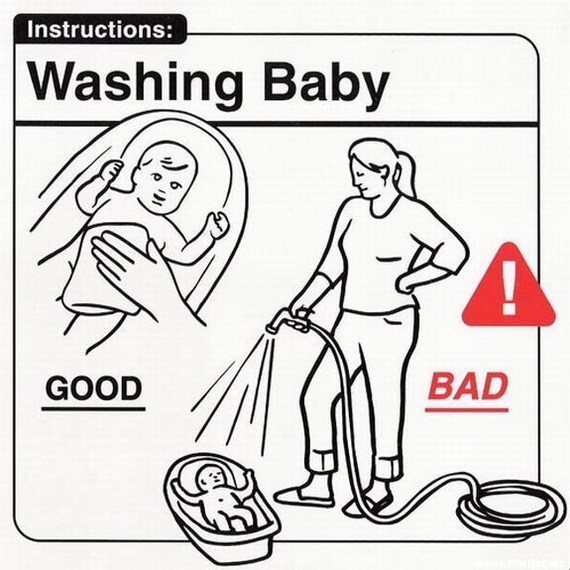
Water safety, bath routines, and slip prevention are about ambience as much as equipment. A bathroom designed with soft lighting, reachable taps, and secure edges supports gentle exploration without fear. Consider elements that keep the space calm and contained.
- Non-slip mats and edge guards
- Secure bath seats and sturdy rails
- Sealed storage for cleaners out of reach
Flooring surfaces, quick-dry towels, and curtain management reduce slips and puddles, letting curiosity roam safely as little ones grow.
Cord management, furniture anchoring, and fall prevention
In South Africa, a calm nursery can feel like a sanctuary where curiosity roams and risk remains at bay. “Safety is a rhythm,” a caregiver once told me, and I felt that cadence in every corner of the home. This is baby health and safety essentials translated into real spaces where little feet explore with wonder.
Cord management, furniture anchoring, and fall prevention rise as three guardians over the home stage.

- Cord management: ensure blinds cords, power strips, and trailing cables disappear behind furniture or into cord channels
- Furniture anchoring: secure tall pieces to wall studs to prevent tipping
- Fall prevention: keep floor paths clear and use soft edge protectors where needed
In a South African home, these elements blend safety with aesthetics, a cornerstone of baby health and safety essentials that lets children explore confidently while grown-ups breathe easier.

Safe cleaning practices and toxin control in the home
A single bottle left within reach can rewrite a day in seconds. This is baby health and safety essentials in action.
<pSafe cleaning starts with secure storage and careful product choices.
- Lock cleaning agents in high cupboards or a locked cabinet.
- Ventilate rooms during and after cleaning to reduce fumes.
- Choose fragrance-free, child-safe products and label all containers clearly.
<pKeep trash bins sealed, store detergents away from food, and avoid mixing chemicals. In SA homes, these simple habits shield little ones from hidden toxins.
Health monitoring and emergency readiness
Recognizing fever, illness symptoms, and when to call a clinician
Fever in a baby can turn a quiet day into a frantic moment, but a calm, prepared response keeps you in control. This is part of baby health and safety essentials—understanding fever and illness signals helps you decide when to seek care without panic.
Key signs and thresholds to watch include:
- Fever above 38°C in babies under 3 months, or higher fever in older infants
- Poor feeding, lethargy, or inconsolable crying along with fever
- Fast, shallow breathing, grunting, or blue lips/face
- Signs of dehydration: fewer wet diapers, dry mouth, or sunken eyes
Meanwhile, in South Africa, keep a simple readiness routine—thermometer ready, a log of symptoms, and your clinician’s after-hours contact details at hand for quick guidance.
First aid basics for common minor injuries
Calm caregivers turn chaos into a solvable puzzle. In South Africa, a steady breath can defuse a sudden baby moment faster than a thousand anxious posts. This is a cornerstone of baby health and safety essentials—prepping for minor injuries before they escalate.
Health monitoring and emergency readiness hinge on simple routines: watch temperature, hydration, feeding, and breathing; log symptoms; and keep a ready-to-go first-aid kit for common minor injuries. Here’s a quick starter set:
- Digital thermometer with protective covers
- Gauze, antiseptic wipes, and hypoallergenic bandages
- Cold pack or a small bag of ice
- Notebook or app to track fever, feeds, and diaper output
Keep the clinician’s after-hours numbers handy and maintain a simple symptom log. That blend of monitoring and preparedness makes baby care feel less dramatic and more doable for South African homes.
Medication safety and storage for families
In South Africa, a feverish moment can feel like a storm—until a quiet, practiced routine steers the ship. A minute of steady breathing and a simple plan defuses tension faster than a hundred anxious posts. This is the backbone of baby health and safety essentials.
Health monitoring and emergency readiness hinge on small, reliable habits: daily checks of temperature, hydration, feeding, and breathing; a clear symptom log; and a ready-to-go first-aid kit. Consider a quick starter:
- A simple fever and symptom log in a notebook or app
- Clinician after-hours numbers and emergency contacts
- A compact first-aid kit with the basics
As a parent, I treat medication safety like a sacred rule: keep medicines locked away from curious hands, in their original packaging with dosing devices and expiry dates. Store in a cool, dry place, away from heat and moisture, and never share meds.
Emergency planning, contacts, and pediatric readiness
In South Africa, a well-practiced emergency routine can turn a stormy moment into a calm, confident response. Health monitoring is a daily ritual: watching temperature trends, hydration, breathing, and feeding, then recording them in a simple log that travels with you. A quiet plan, rehearsed aloud, becomes the axis of baby health and safety essentials, unseen but powerful.
- Clear family roles and practiced responses during fever or breathing concerns
- A concise, multilingual contacts card with essential numbers and clinic hours
- Simple thresholds for action—what to monitor and when to seek urgent care
- An easily accessible transport plan to the nearest emergency department
With these safeguards in place, families stay ready, attentive, and hopeful. This is a cornerstone of baby health and safety essentials.




0 Comments